Before a piece is oiled, polished, or set aside for wrapping, it sits on the bench for a final measurement. This is not a dramatic step—it is a quiet one. My attention goes to the hardware: the point where a clasp rests, the line where a fitting meets wood, the distance between two anchor points. That pause is where a good fit begins.
Start with the anchor point
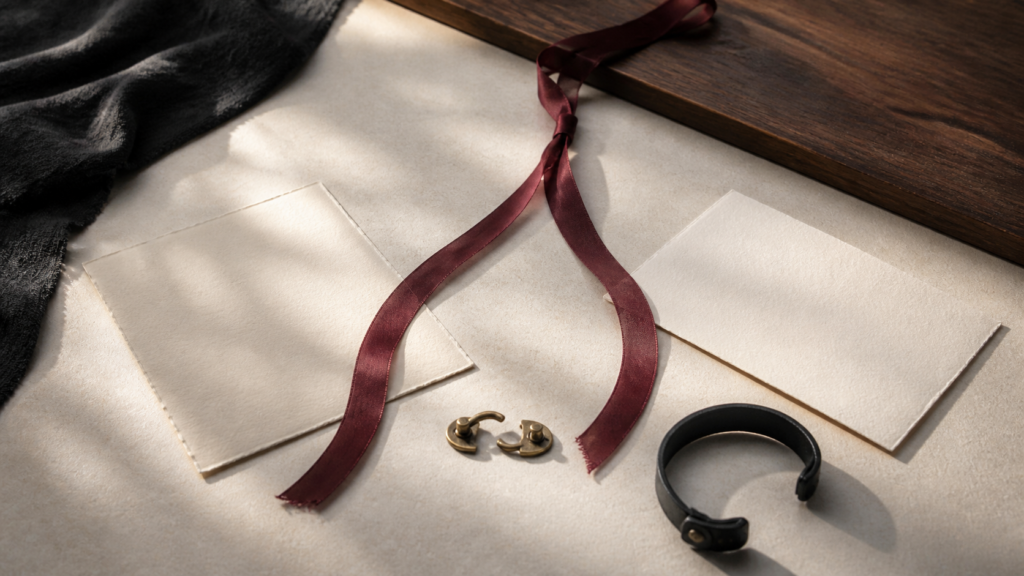
Every custom piece has a natural central reference. For a solid wood pendant, it is the midpoint of the grain or the drilled channel; for a bracelet or similar accessory, it is the point where the piece will sit most comfortably against the wrist or ankle. I mark this reference with a brass pencil and then measure outward on both sides. The difference between left and right can be as small as half a millimetre, but that half-millimetre is what makes the piece feel intentional rather than arbitrary. Hardware should sit where the eye expects it, and more importantly, where the body will not be pinched or chafed.
Proportion follows purpose
Size is not just a number on a listing. It is the relationship between the overall form and the hardware that holds it together. A large wooden bead beside a thin clasp will look unbalanced; a heavy piece with a delicate hook may slip or sway. When I check proportion, I look at the mass of the material, the width of the band or body, and the scale of the finding. If a fitting looks too small from three feet away but feels secure when held, I still change it. A proper fit has to satisfy both the eye and the hand.
The fit check that happens twice
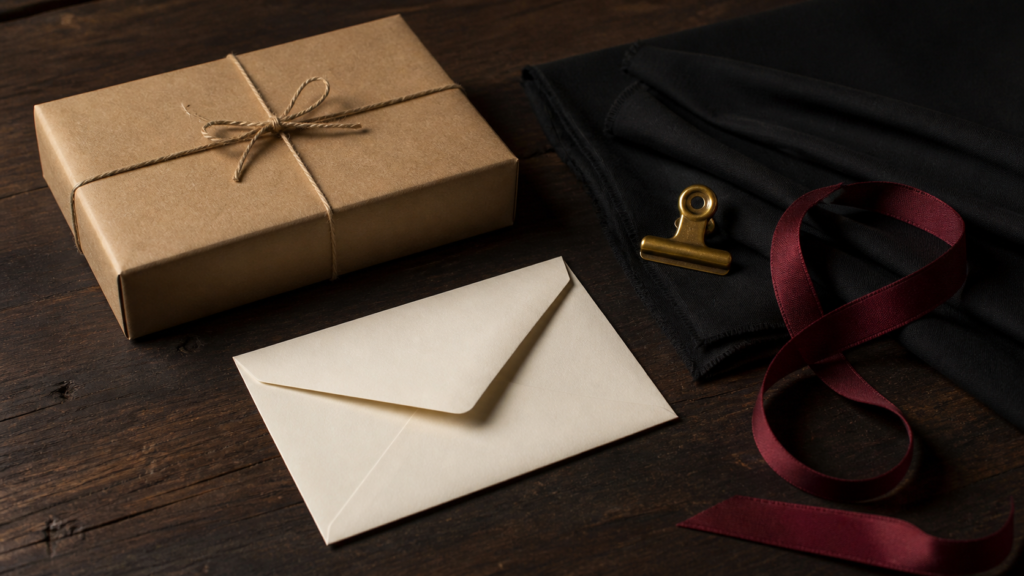
I check hardware position once before finishing and once after. Wood moves a little when oil or wax is applied, and a fitting that sat perfectly flat can lift slightly once the surface layers absorb moisture. The second check catches this. It is also the time to test how the piece rests on a flat surface and how it hangs when lifted. I do not rely on memory—I use a set of brass calipers and a marked cutting mat, and I write down the measurements on the order note. That note stays with the piece until it is packed.
Care and the quiet details
Hardware should be checked occasionally at home, too. A gentle wipe with a dry cloth, and a quick look at the screw or ring once a month, will keep the fit honest. When conditioning a solid wood piece, let the oil dry fully before moving the hardware—this prevents moisture from collecting around the fittings. And if a finding ever loosens, it is better to leave the piece on a shelf and message the workshop than to pull or twist it back into place.
Made to your proportion
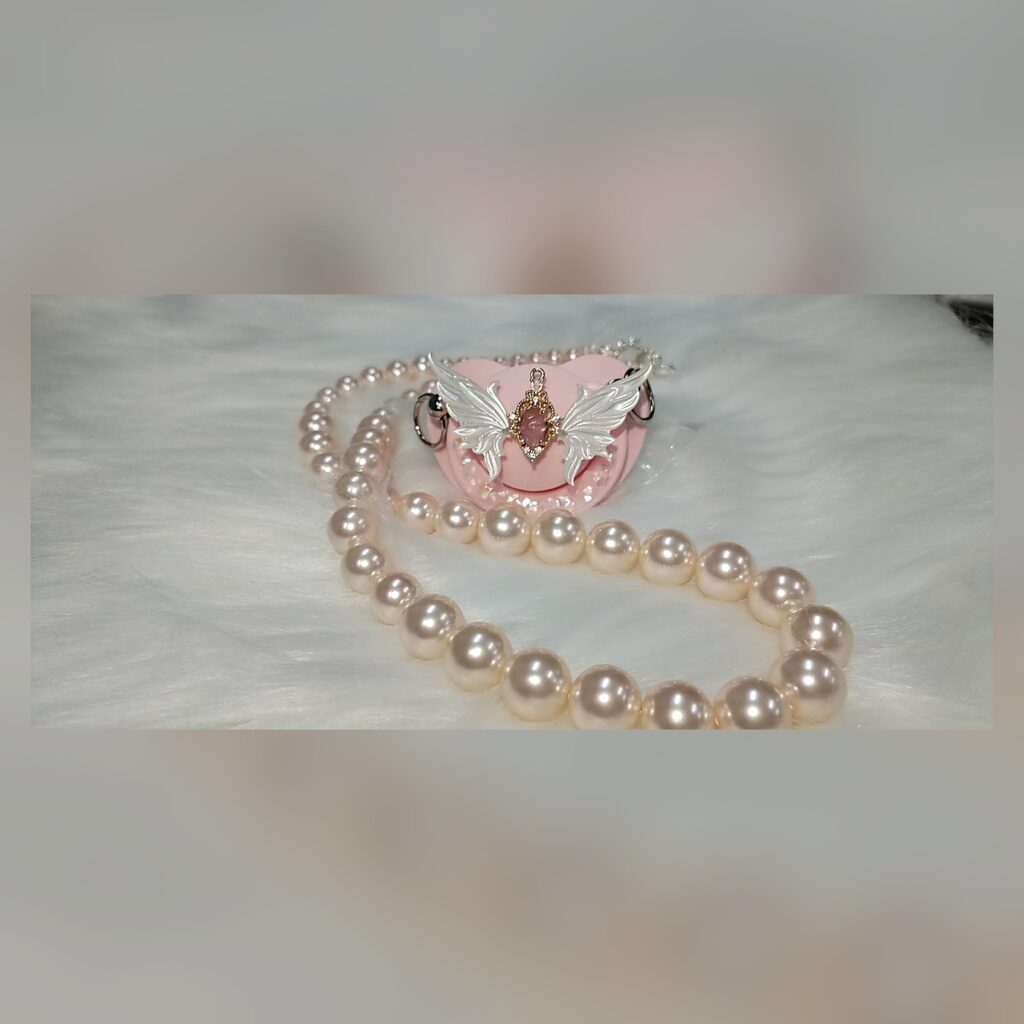
Every made-to-order piece is reviewed for finish and fit before checkout. I ask for the measurements that matter most to you, and I confirm the placement of the hardware before the piece is made. The current Crown Pearl Chain, for example, is a handmade accessory item in the Jewelry & Accessories collection, and its sizing is confirmed directly at checkout. When you send an enquiry, your measurements and order details remain private, and the finished piece is packaged discreetly. If you are unsure about a length, width, or hardware position, simply ask before ordering—custom sizing is part of the process, not an afterthought.
Privacy and trust
Private choices deserve clear information. Read the privacy and discreet-order notes before you decide.