Placing a private order should feel like a quiet conversation, not an interrogation. When you are preparing a discreet custom enquiry, the balance of trust starts with information: what is collected, why it is needed, and how it will be handled. You are not being difficult when you pause to ask. You are being a responsible adult participant in a transaction that should respect your boundaries as much as your tastes.
Why am I being asked?
The most important question you can ask before sending private information is also the simplest: why do you need this detail? A legitimate maker will have a clear, practical answer. A delivery address is needed for shipping. A size measurement is needed for fit. A preference for plain packaging is needed to honor your request. If the answer is vague, evasive, or seems to probe into your personal life, that is a reason to pause. Trust is not built by giving everything upfront; it is built by exchanging exactly what is necessary, nothing more.
The anatomy of a respectful request
Respectful communication looks like clear quotes, stated policies, and a willingness to answer your questions. Before you share anything beyond your initial enquiry, you should know how your message will be stored, who will read it, and whether it will be shared with third parties. A reputable seller will not hesitate to explain their process. They will also confirm details in writing before any payment is made, so both sides agree on the scope of work, the timeline, and the conditions of delivery. This is not bureaucracy; it is mutual care.

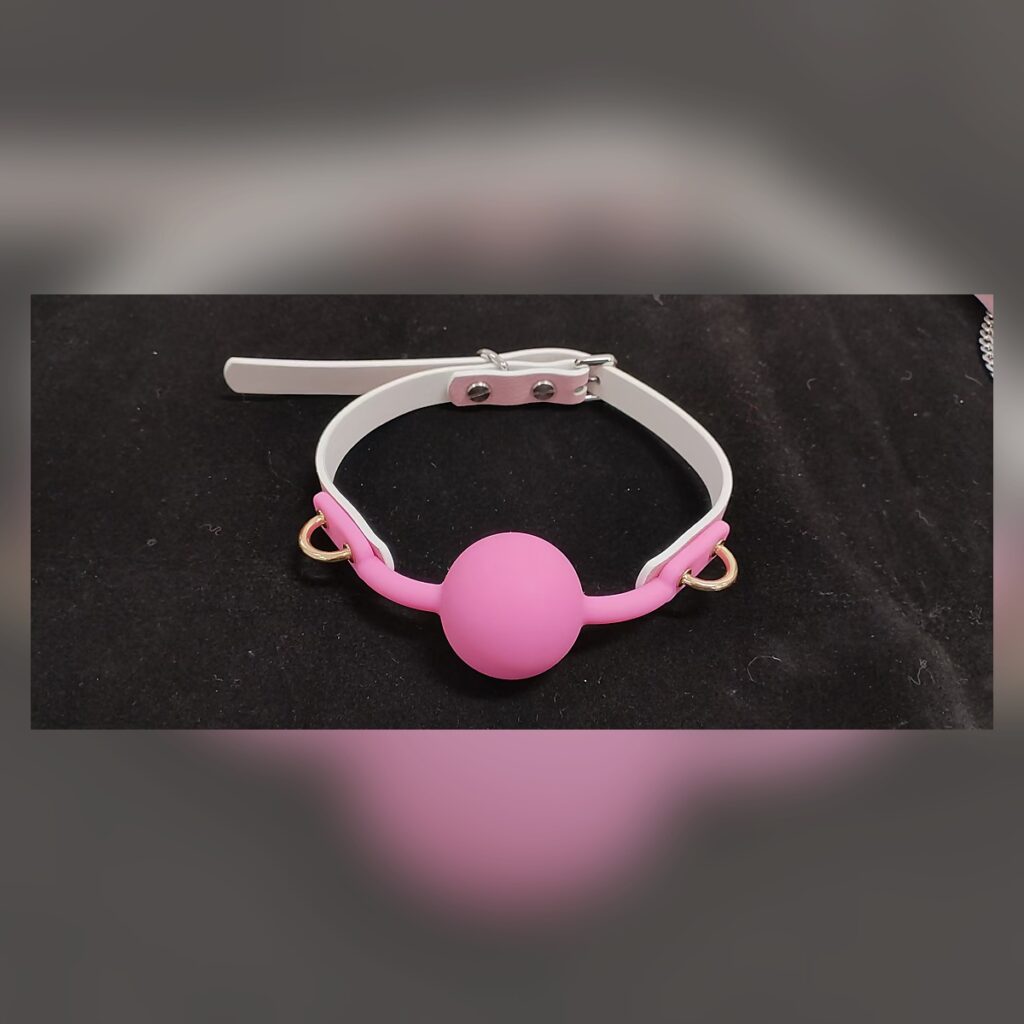
Consider the product itself. A made-to-order accessory, such as a rose ball gag, should be described with factual notes about its material, finish, and measured fit. Those details let you decide without revealing anything about yourself. You can ask for that information, and you can ask how the maker uses it. If a listing or a message requests something that feels unrelated to the item, you are within your rights to question it.
Plain packaging and quiet delivery
Plain packaging is more than a courtesy; it is a confirmation that your privacy is being taken seriously. Before you confirm an order, ask about the outer wrapping, the label, and the return address. A trustworthy seller will have a standard practice and will confirm it in writing. The same goes for your personal details. Check whether your name, address, and email are used only for the transaction or if they go into a newsletter list. You can request that no further contact occurs after delivery unless you initiate it. The silence after a completed order can be as respectful as the care taken before it.
Questions worth asking before you send anything
Here is a short list to carry into your next enquiry. What information do you need from me to provide a quote? How is my information stored and when will it be deleted? Can I receive delivery in plain packaging with a neutral sender label? Will you confirm the order details in writing before payment? Who can I contact if I have a concern after the order? These are not difficult questions. They are the foundations of a comfortable transaction.
Your pause is part of the process
Taking a moment to ask questions does not make you difficult. It makes you someone who knows that privacy is not a luxury. In the quiet space between your first message and your final confirmation, trust takes shape. That space is yours. Use it well, and you will find that the right seller welcomes it. The respectful ones understand that discretion is a shared promise, not a burden. So ask, clarify, and then proceed with confidence.
If you are ready to begin a custom enquiry, reach out with only the details you are comfortable sharing. We will respond with clear answers, a measured quote, and a respect for your privacy that never has to be asked twice.
Privacy and trust
Private choices deserve clear information. Read the privacy and discreet-order notes before you decide.