A custom order can begin with one photograph and grow into a conversation spread across several messages. A different finish is suggested. A measurement is corrected. An earlier preference no longer feels right. None of these changes is unusual, but the final request can become difficult to identify. A simple version number helps both sides see which description is current without treating an unfinished conversation as approval.
Give the brief a name, not just a date
Start with a short label such as “Order brief, version one.” Under it, list the product reference, the requested details and the questions that remain open. Keep requested changes separate from specifications already confirmed by the studio. This distinction matters: asking whether a different material is possible does not establish that it is available, suitable or included in the quoted price.
A notebook can be useful, but the working record should also be easy to share. Before sending an enquiry through the custom quote page, collect the relevant product link and a concise list of questions. Avoid including personal information that the enquiry does not require.

Describe what changed
For version two, write a small change note instead of silently replacing the original. For example: “The requested finish has changed; the size question is still open.” If a measurement changes, identify which dimension it describes and include its unit. Do not assume that an unlabelled sequence of numbers means length, width and thickness in the order you expect.
Material descriptions deserve the same attention. A photograph can show colour and pattern, but it cannot reliably establish composition, coating or maintenance requirements. Ask for written clarification where the listing leaves uncertainty. Keep the answer alongside the brief so that a later image reference does not accidentally replace an agreed specification.
Keep the product reference attached
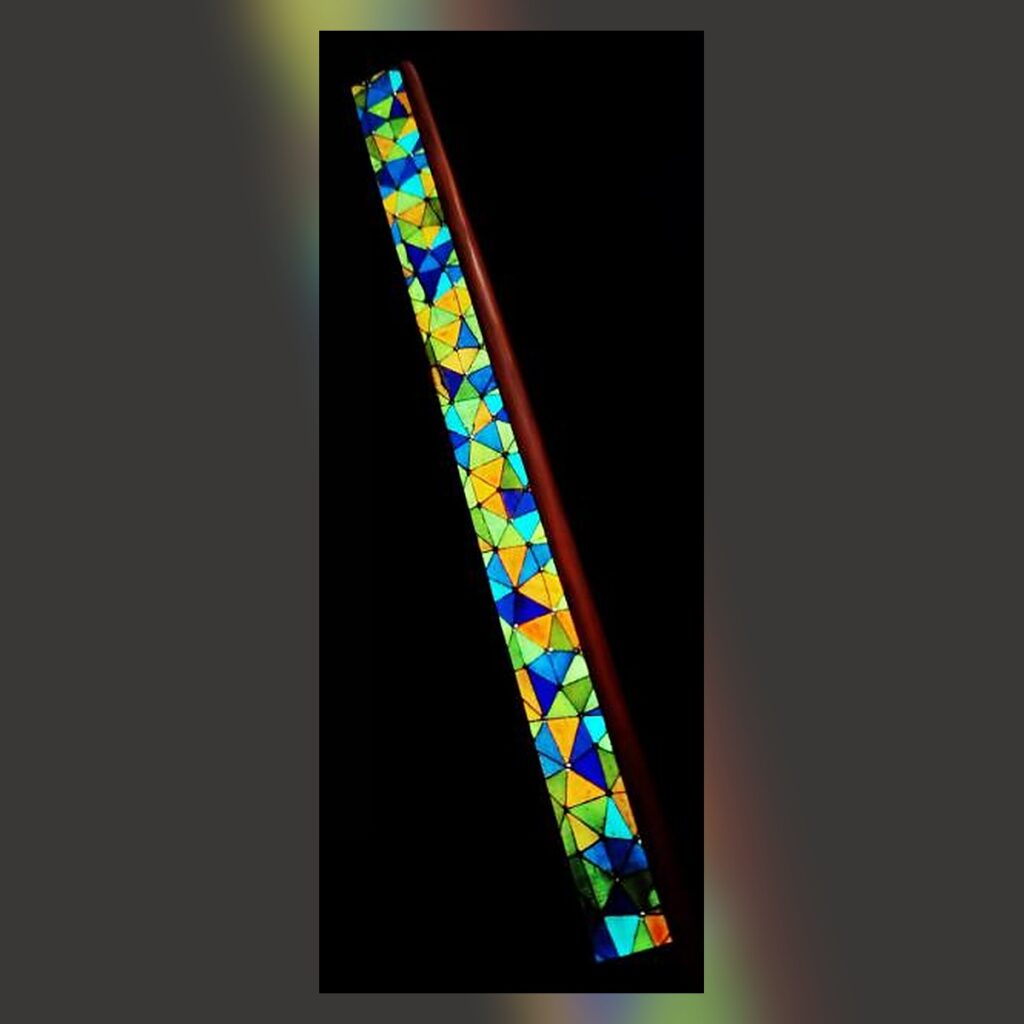
The Thousand Nights Ruler provides a concrete reference for this approach. Its product photograph shows a multicoloured geometric face. Use the product name and page link when asking about that piece, rather than relying on a description such as “the colourful one.” The photograph below is the existing product image, not an illustration of a proposed custom version.
Any requested variation should remain a question until the studio confirms it. A reference image does not promise an exact colour match, a particular dimension or a production date. Record those answers individually, and request clarification if two messages appear to disagree. This is especially useful when several pieces are discussed in the same conversation.
Separate an enquiry from a decision
For adult customers, clear communication also means leaving room to reconsider. Asking for information is not an obligation to order. Before accepting a quote, check that it refers to the latest brief and that unresolved items are still visibly marked. If you need more time, say so. A tidy document should support a voluntary decision, not create pressure to make one.
After an order is agreed, do not assume that further changes can be made without affecting cost or timing. Ask whether a revision is possible and request an updated confirmation before relying on it. Keep the earlier version for context, but mark it superseded so that nobody mistakes it for the active request.
The result need not be elaborate: one current brief, one short revision note and one clearly identified confirmation. That small habit keeps the conversation about the actual piece you are considering, with fewer assumptions for either side to untangle.