A familiar shop name at the top of an email is not the whole destination. Before sending an answer about a private adult order, take a moment to check the actual recipient address and the information included in your reply. This small review can help avoid an accidental disclosure without requiring a long or complicated message.
Look beyond the display name
Email applications often show a person’s name or a business label more prominently than the address. Expand the recipient details before responding with anything personal. A display name alone does not establish that a message came from the atelier, and a reply may go somewhere different from the address you expected.
If a message is unexpected or requests unfamiliar information, return to the shop through an address you already know. Start a fresh enquiry through its published contact route rather than relying on a link inside the questionable message. Do not send passwords or payment credentials to clarify an order.

Choose reply rather than reply all deliberately
A conversation can acquire extra recipients as people forward or copy messages. Check the To and Cc fields each time the discussion changes. Someone who helped select a gift does not automatically need access to later correspondence about the order.
Do not assume removing a person from your next reply removes their access to earlier messages. It only changes the recipients of the new message. If you are unsure who already received information, avoid making promises about privacy that the email thread cannot support.
Read the text beneath your answer
Your short reply may include a much longer quoted conversation below it. Review that material for unrelated addresses, personal explanations, and forwarded messages. Keep the reference information needed to identify the enquiry, but remove unrelated material from the reply you are about to send.
Attachments deserve the same attention. Confirm that the selected file is the intended one, that it shows only the relevant subject, and that you have permission to share anything involving another person. An image that was useful in a private conversation may be unnecessary for a seller’s product question.
Match the information to the question
A question about a finish usually needs the product name and the finish you are considering. It generally does not need a personal account of why you want the item. Start with the smallest useful description, then ask why any additional information is needed before providing it.
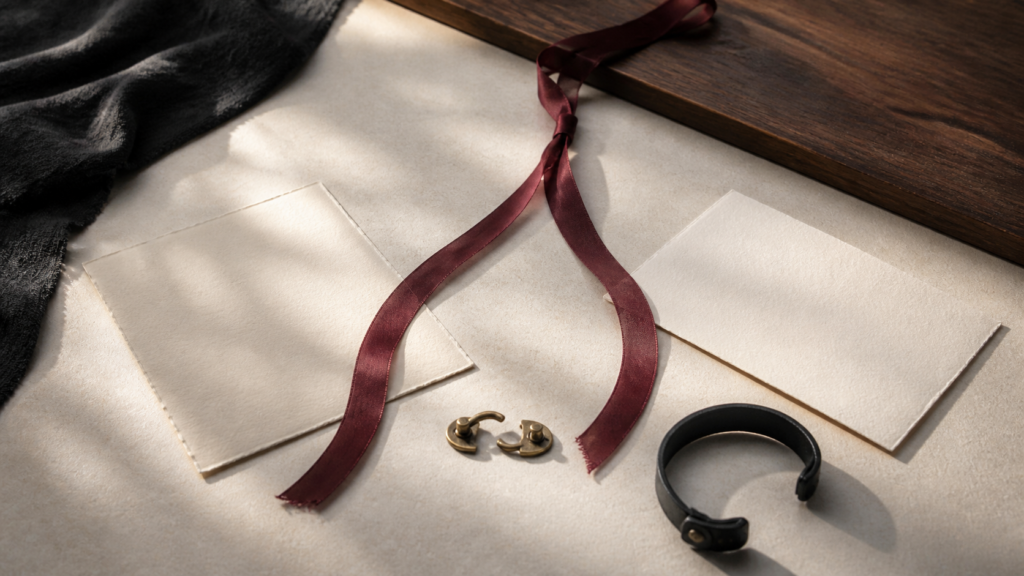
For example, a question about the Thousand Nights Ruler can identify the listing and ask which care instructions apply to the requested finish. The product photograph below is a reference, not a request to disclose personal circumstances.

Finish with one clear request
End with the specific fact you need confirmed. Keeping the question focused makes it easier to recognise whether the reply actually answers it. Avoid mixing a material question, a change of recipient, and an order instruction into one ambiguous sentence.
Our communication guide also discusses keeping choices explicit. Apply the same principle to correspondence: say what you are asking, verify where it is going, and leave unrelated private information out. These checks reduce avoidable mistakes, but they are not a guarantee that any communication channel is completely private.