An agreed idea is not a permanent answer to every version of it. In an adult custom enquiry, a change to material, size or finish may be a practical improvement. It can also change what either person is comfortable buying or sharing. The revised detail deserves a fresh question, not an assumption that an earlier yes covers it.
Imagine a hypothetical couple comparing a wooden ruler. One likes a dark finish, and both agree to ask the maker about the listed dimensions. The reply offers a different length and a new edge treatment. One person is ready to proceed; the other wants to see the revised specification first. Their original conversation did not settle the new version. The useful next step is to describe the change plainly and make room for another answer.

Name exactly what changed
“It is basically the same” hides the part that needs attention. Put the original listing beside the new proposal. Is the change a measurement, material, finish, production date or price? Ask the maker to state the unit and which part of the piece the measurement describes. If a photograph shows one version while a quote describes another, ask which version would actually be made.
A short written comparison helps both adults discuss the same object. It also prevents a casual remark about appearance from being mistaken for approval of a specification. You can acknowledge that the maker has answered a technical question without deciding whether to order.
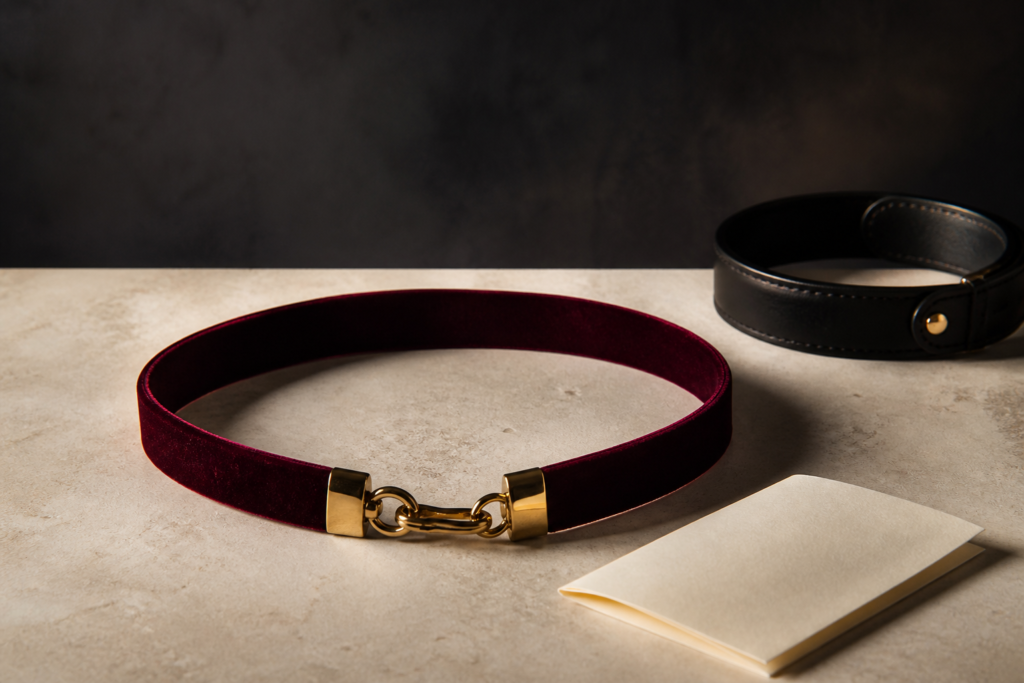
Keep product facts separate from personal choice
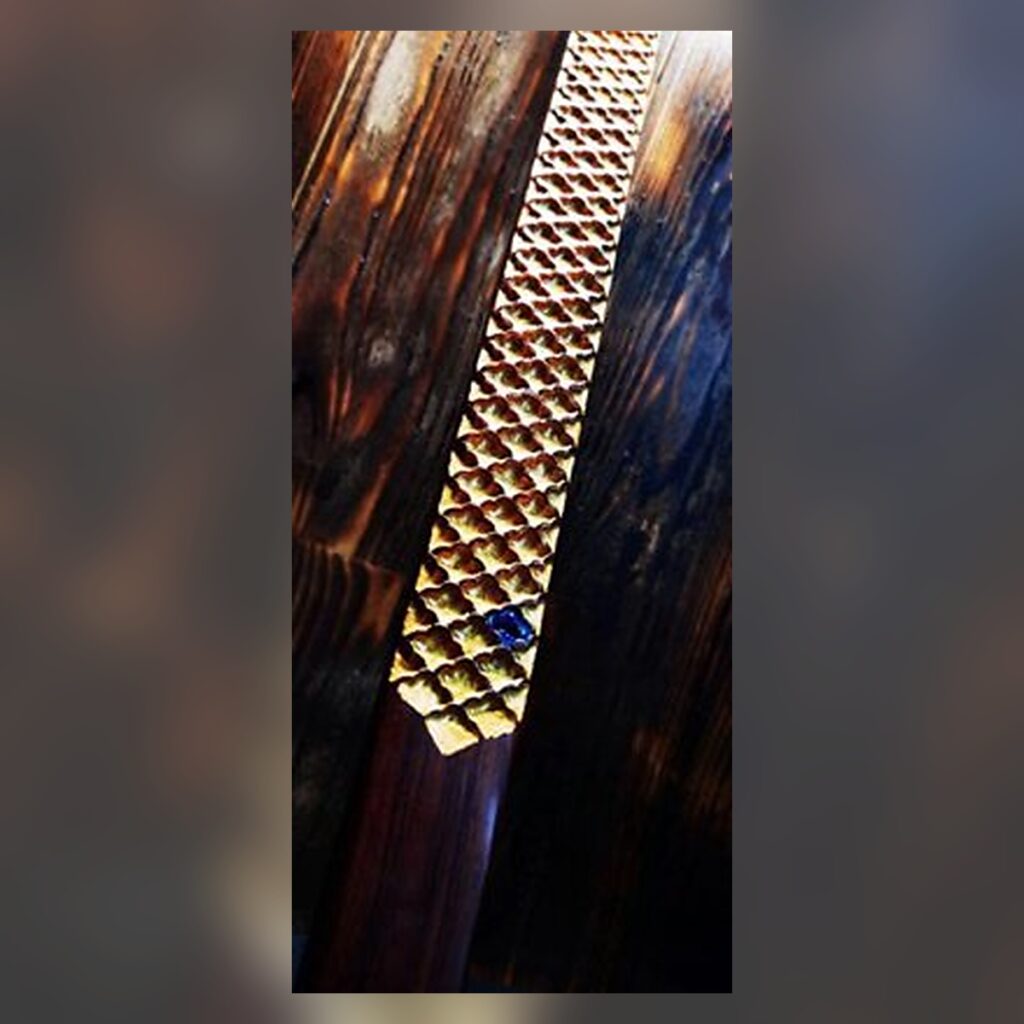
The Heritage Ruler listing describes a dark hardwood material profile and says the piece is made to order. Its product photographs are the starting point for judging its appearance, not a promise that every custom variation will look identical. The maker can clarify a proposed dimension, finish and timing; only the adults involved can decide whether the revised piece suits them.
One person may want the item for an individual collection while the other is only helping compare details. Buying it, receiving it and agreeing to any shared use are different decisions. Be explicit about which one is under discussion. A product quote can confirm what the shop would supply, but it cannot record someone else’s personal agreement.
Ask again without making the answer a test
Try a narrow question: “The proposed length changed. Would you like to review the revised details with me?” That invitation can be accepted, postponed or declined. It does not ask someone to prove trust, enthusiasm or affection by accepting a purchase. If they say they need time, there is no reason to turn the maker’s production schedule into a private deadline for consent.
Even after a discussion, leave the result specific. “I am happy to read the quote” does not mean “place the order,” and “I like the finish” does not settle a size change. Our consent and communication guide explains how to keep those questions distinct. A changed proposal can always be revisited with a changed answer.
Send the maker only a settled brief
Once the product details are clear, decide what the shop actually needs. A custom quote request can focus on the item name, requested measurements, finish and delivery country. Do not send another person’s private preferences, photographs or personal history merely to make the enquiry sound complete. If their involvement is still undecided, leave it out of the brief.
Before confirming the order, read the final written specification again. Check that the measurements carry units, the version matches the one discussed and the maker has answered any material or care questions that matter. If something changes once more, pause and ask once more. That is normal care in a custom process, not an obstacle to it.
A clear brief helps the maker build the right piece. A fresh conversation lets each adult decide whether that piece is right for them.