A sizing question does not require a complete personal history. A buyer can usually begin with a product name and one clear specification. The information needed for a quote should be defined by the item and the seller’s reply, not by pressure to disclose everything at once.
Imagine a hypothetical adult browsing a made-to-order ruler on a shared tablet. They are about to send an enquiry from a family email address, including a photograph and a long explanation of why they want the item. They stop and consider whether that channel is private enough and whether the shop has even asked for those details. Waiting to use a personal inbox is a practical decision, not a missed opportunity.
Decide where the reply will land
An enquiry has a return path. Check who can open the email account and whether replies appear as notifications on a shared screen. A private browser window may reduce local history, but it does not control mail notifications, account recovery messages or later checkout records. Choose an address and device you can manage before beginning the conversation.
Where delivery privacy is important, consider who can receive a parcel and which address is suitable. Do not assume that plain outer packaging makes every digital or payment record invisible. The discreet orders guide distinguishes these parts of the process.

Ask for the specification the seller can confirm
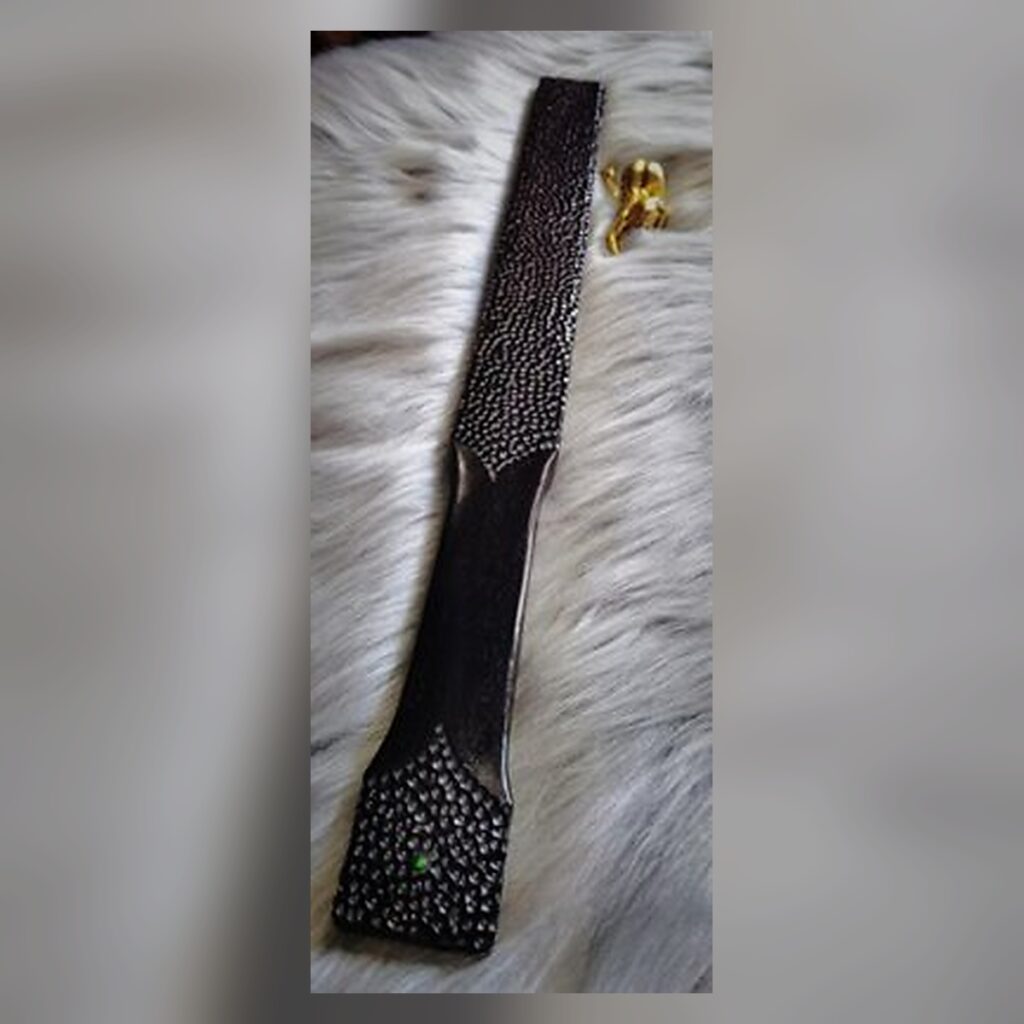
The Hammered Grain Ruler listing identifies dark hardwood and says the piece is made to order. It also shows dimensions, but the condensed listing does not clearly state a unit alongside each number. A sensible first enquiry would ask the shop to confirm the unit, finished dimensions and production timing. Do not convert a number into a promise that the listing has not made.
That question can be short: name the item, cite the measurement you want clarified and ask what happens after confirmation. If a custom request is possible, ask whether it changes finish, lead time or price before providing additional personal details. A precise reply is more useful than a broad assurance.
Keep photographs and personal details optional
A photograph may be helpful for some orders, but it should not be an automatic first attachment. Ask the seller what format of measurement or reference is required. If a written dimension is enough, there is no reason to send an identifying image. If more is genuinely needed, decide whether the available channel meets your comfort level.
Read the product gallery as evidence of the listed object, not as proof of how a custom variant will look. If a proposed change matters visually, ask for a clear specification before approving the order. Keep a copy of the confirmed version for your own records.

Review the whole order before checkout
After the enquiry, check the final item, delivery destination and payment total shown at checkout. Production and shipping estimates are different things, and local import rules may apply. If a key answer is missing, pause rather than filling the gap with an assumption.
A private enquiry is easiest when it is small, deliberate and answerable. Send only what the next decision actually needs.