A number in a message is not a complete quote. Before a private order becomes a purchase, the buyer needs to know what the number covers, which currency it uses and which details remain open. A quick agreement to an unlabeled total can leave two people thinking they approved different things.
Imagine a hypothetical adult asking about a dark wooden ruler. A reply contains a price and a photograph but does not say whether the price includes the pictured finish or delivery to their country. The buyer does not need to send an address immediately. They can ask the seller to restate the item, currency, finish and delivery basis in one reply before they decide.

Identify the exact item first
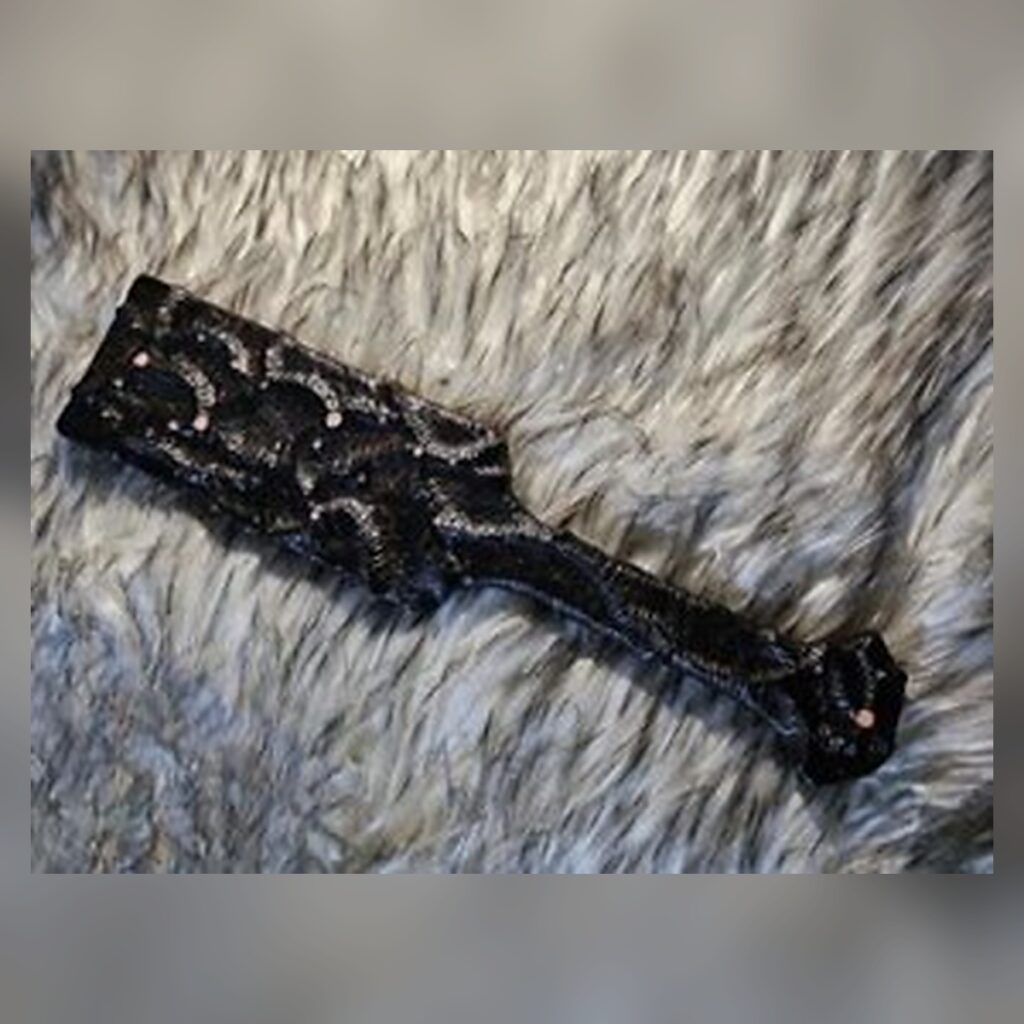
The Obsidian Ruler listing identifies dark hardwood and says the item is made to order. Those are product facts, not an approval of every possible variation. If the buyer wants a different finish or dimension, the quote should say whether that change is possible. A photograph may show an example, but it cannot quietly add an unconfirmed feature to a custom order.
Ask the seller to name the product and describe the version being priced. If a dimension line is abbreviated, request labeled units and directions. Keep a record of the answer with the quote, rather than relying on an earlier message about a different item.
Make the currency explicit
A symbol can be read differently in different markets. Ask the shop to write the three-letter currency code beside the price and check that the checkout total shows the same currency. Do not assume that a number in a social message is the final charge. Taxes, payment conversion and delivery costs may depend on the destination and payment method; the buyer should see the applicable total before committing.
If the checkout and the written quote disagree, pause. Ask which figure is current and whether the selected variation matches the quote. A discrepancy is a question to resolve, not a reason to hurry. Never enter payment details to discover a price that the seller could state clearly beforehand.

Separate product from delivery
Confirm when made-to-order work would begin, what production estimate applies and how delivery is calculated for the destination. The shipping information can provide a starting point, but the individual destination and order need confirmation. An international shipment may also have local import rules that the buyer must check.
A privacy question belongs here too: who receives the order email, which inbox shows updates and what information is visible on the parcel? Do not infer that discreet outer packaging makes every digital notification private. Choose a contact path that you can access without exposing someone else’s details.

Approve one complete version
Bring the product name, selected finish, labeled dimensions, currency, total, production estimate and delivery answer into a single final brief. Check that it is the version shown in checkout. If a point remains open, ask before paying. A buyer may also decide that the uncertainty is too high and leave the inquiry there.
A clear quote protects the choice itself. It gives the buyer a specific offer to accept or decline, not just a number to guess about.