A quotation is not always just a price. The message around it may contain a name, delivery location, personal measurements, or an earlier exchange that the next reader does not need. Before forwarding a quote, decide what question the recipient is helping you answer and share only the information relevant to that question.
Imagine a hypothetical buyer comparing a handmade accessory with a partner. They want a second opinion on the quoted dimensions, so they forward an entire email chain. The useful information might have been three specification lines, while the rest of the thread includes private order notes. A smaller, clearly labelled summary could have supported the same decision without exposing that history.

Separate the specification from the conversation
Start by identifying the facts needed for the comparison: product name, selected option, dimensions, currency, included work and any stated validity period. Do not add details that the quote does not contain. If a field is missing, mark it as a question rather than turning an assumption into part of the supplier’s offer.
Read the whole message before sharing it. Check quoted replies, signatures, attachments and filenames, not just the paragraph visible at the top. An image attachment may include unrelated background details. Prefer a clean text summary when the recipient does not need the original document, and label it as your summary rather than an unchanged quotation.

Ask before sharing another person’s information
Having access to a message does not automatically mean everyone mentioned in it agreed to wider circulation. Ask before forwarding someone else’s measurements or comments. If those details are not necessary for the decision, leave them out altogether. Removing a name alone may not remove all identifying context.
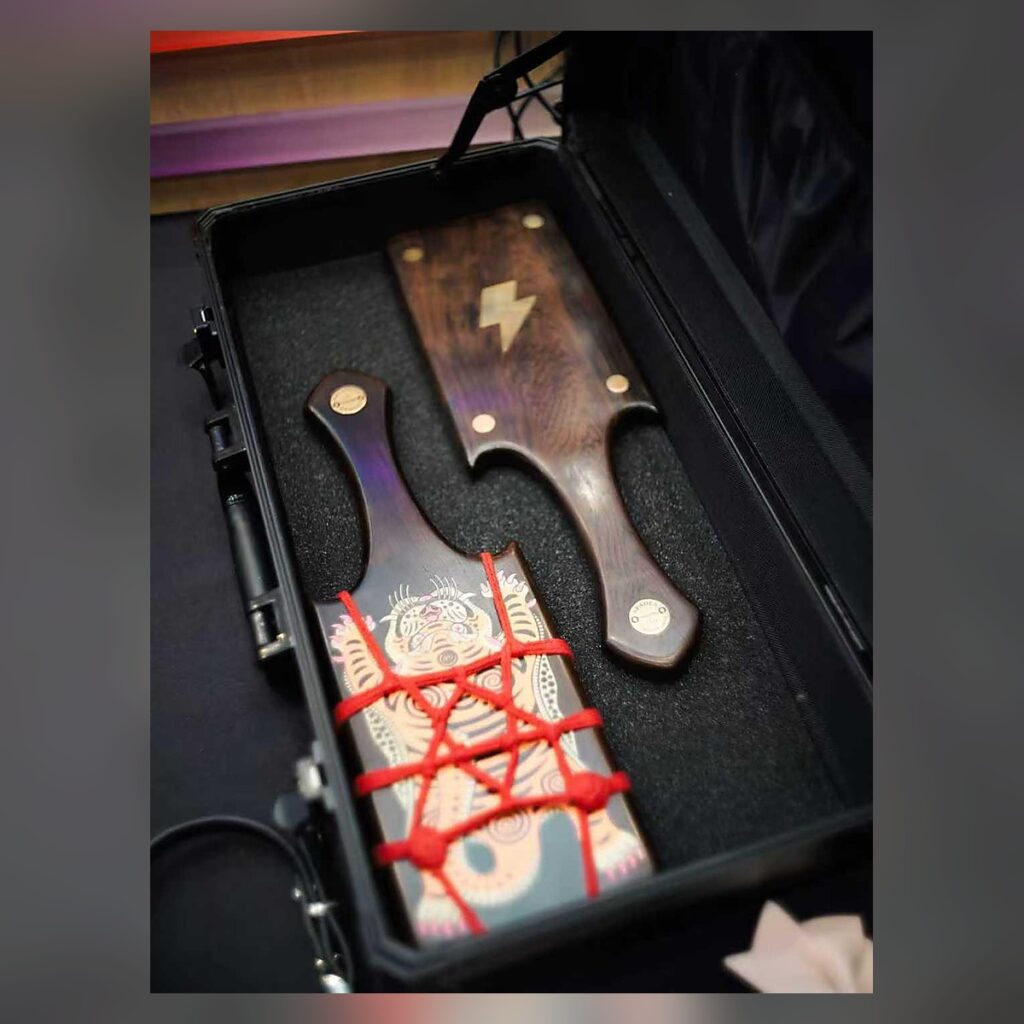
The Rai Source Paddle belongs to the Hand Boards collection. Someone comparing that listing can share its public product link and ask about the listed specifications without forwarding a private conversation. Public product information and private correspondence serve different purposes; choose the source that answers the actual question.
Keep the current version identifiable
A shortened quote should still be understandable. Note the date and selected version so that a later reply is not mistaken for the earlier offer. If the seller revises the material, size, delivery estimate or price, ask for those changes to be confirmed together. Combining separate messages yourself can create a package that was never actually offered.
Keep the original privately for your own reference. When you ask someone to compare a summary, say which points remain unconfirmed. A useful question is, “Does this size suit the space we have?” It is less useful to ask whether the whole order is settled when availability or included work is still unclear.

Return unanswered questions to the seller
A second opinion can help identify gaps, but it cannot verify an unstated product fact. Use the atelier contact page to ask for clarification of the exact item or quote. Include the reference needed to find it, while avoiding unrelated personal information. Never send payment credentials as part of an ordinary product question.
Forwarding less does not have to mean losing useful detail. Share a clear specification, preserve its context, and keep private conversation out of circulation unless there is a reason and permission to include it.