A row of numbers can look precise while still leaving an important question unanswered. Without units and measurement directions, it may be unclear whether a figure describes overall length, width, thickness or one part of an object. Before choosing a size, ask for the meaning of the measurement rather than supplying it from the photograph.
Read the number in its context
Start by looking for a labelled diagram or a written explanation in the listing. Check whether different figures refer to separate options. A slash may separate alternatives, but it does not explain those alternatives by itself. Do not assume that the first number is always the longest dimension or that every seller uses the same ordering convention.
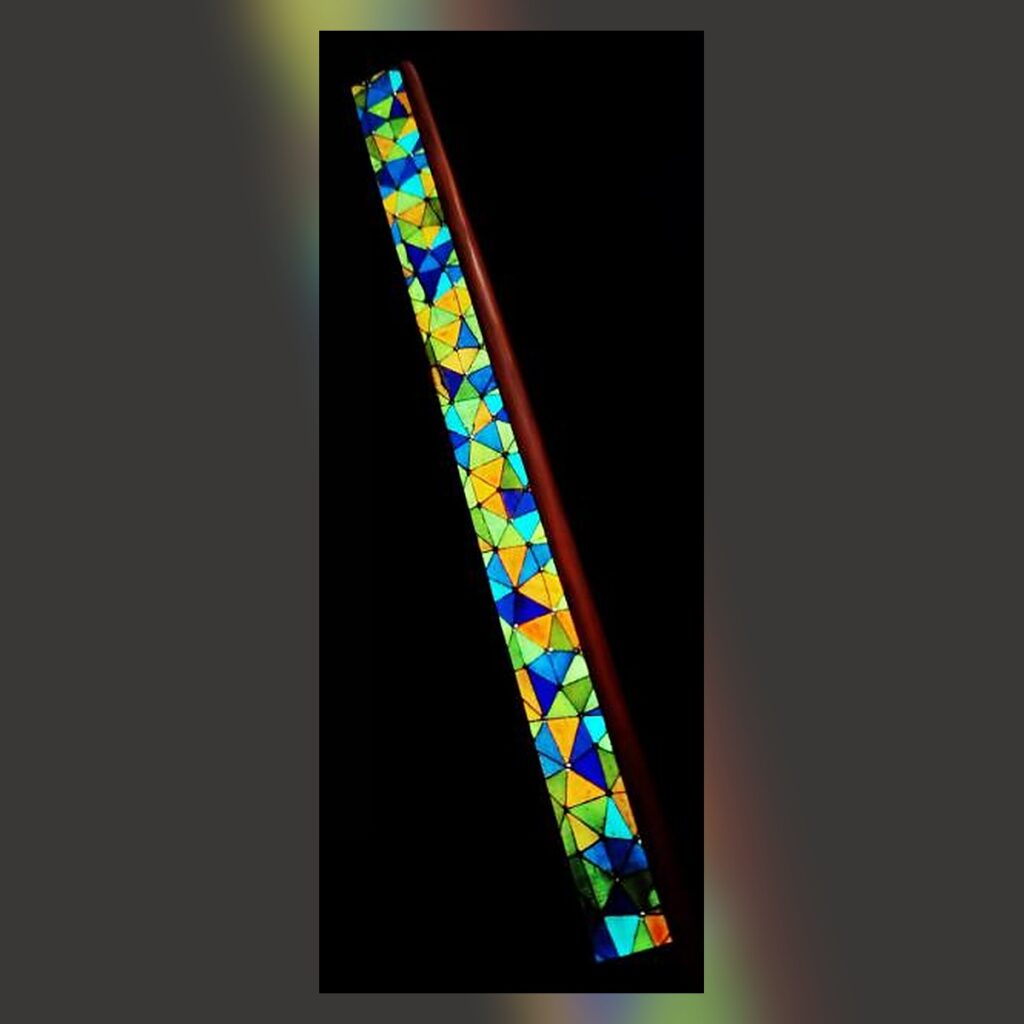
The Thousand Nights Ruler listing currently includes a sequence of dimension figures without explicit units in that section. That is a reason to ask for clarification, not to convert the figures into an invented specification. Its existing product photograph below identifies the item but cannot resolve the missing labels.
Ask a question that can receive a precise answer
Instead of asking whether an item is ‘large’, ask which measurement describes its overall length and what unit is used. If there are multiple versions, identify the version you mean. A useful reply should connect each number to a direction or part of the object. If it does not, follow up before using the figures to make a decision.
For a custom enquiry, distinguish the size you are requesting from a size the maker has accepted. Writing a measurement in your message does not establish that it is available or appropriate. Ask for a clear response to the proposed dimensions and keep any unresolved points visible. Do not treat a general acknowledgement as confirmation of every number.

Keep conversions transparent
Once the original units are confirmed, you may want a conversion for comparison. Preserve the original measurement alongside the conversion so it is clear which figure came from the listing or maker. Avoid adding decimal places that imply greater precision than the source provides. A rounded conversion is a comparison aid, not a new manufacturing promise.
If two messages give different values, ask which one is current. Do not choose whichever value seems more plausible from the photograph. Perspective, cropping and the absence of a reliable scale make visual estimates uncertain. An image can show shape and appearance while a written specification provides a different kind of information.
Confirm the final reference together
Before proceeding, collect the agreed item, option, units and measurement directions in one short summary. Ask whether that summary is correct. Keep personal background out of the exchange unless it is genuinely necessary to answer the question. Most measurement questions can be framed as practical requests without explaining private circumstances.
Our communication guide discusses keeping decisions voluntary. That includes being able to pause a purchase when basic information remains unclear. A number should reduce uncertainty, not hide it behind apparent precision. When a dimension has a unit, a direction and an identified version, you have a more useful basis for deciding whether to continue.