A loose fitting is not an invitation to improvise a repair. A familiar-looking screw or ring does not tell you how a handmade piece is assembled, whether movement is intended, or which adjustment the maker would approve. Put the piece aside and establish what the concern actually is before reaching for a tool.
Consider a hypothetical buyer unpacking an accessory and noticing movement around a visible fitting. A small screwdriver is already in the drawer. Tightening the part feels quicker than sending a question, but the buyer does not know what sits beneath it. The sensible first action is to stop handling it unnecessarily and describe the observation.

Describe the movement without testing its limits
Identify the part and explain when you first noticed it: on unpacking, during ordinary handling, or after storage. Distinguish what you can see from what you suspect. “The fitting near the handle moves” is useful; “the internal fixing has failed” is a diagnosis you may not be able to support.
Take a clear photograph of the affected area and keep the original condition visible. Do not repeatedly twist, pull or load the part to make the problem easier to demonstrate. If a photograph cannot show the issue, ask what information the maker needs next. A description can start the conversation without another experiment.
Match the question to the actual construction
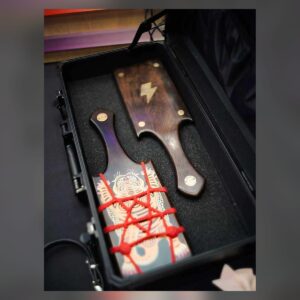
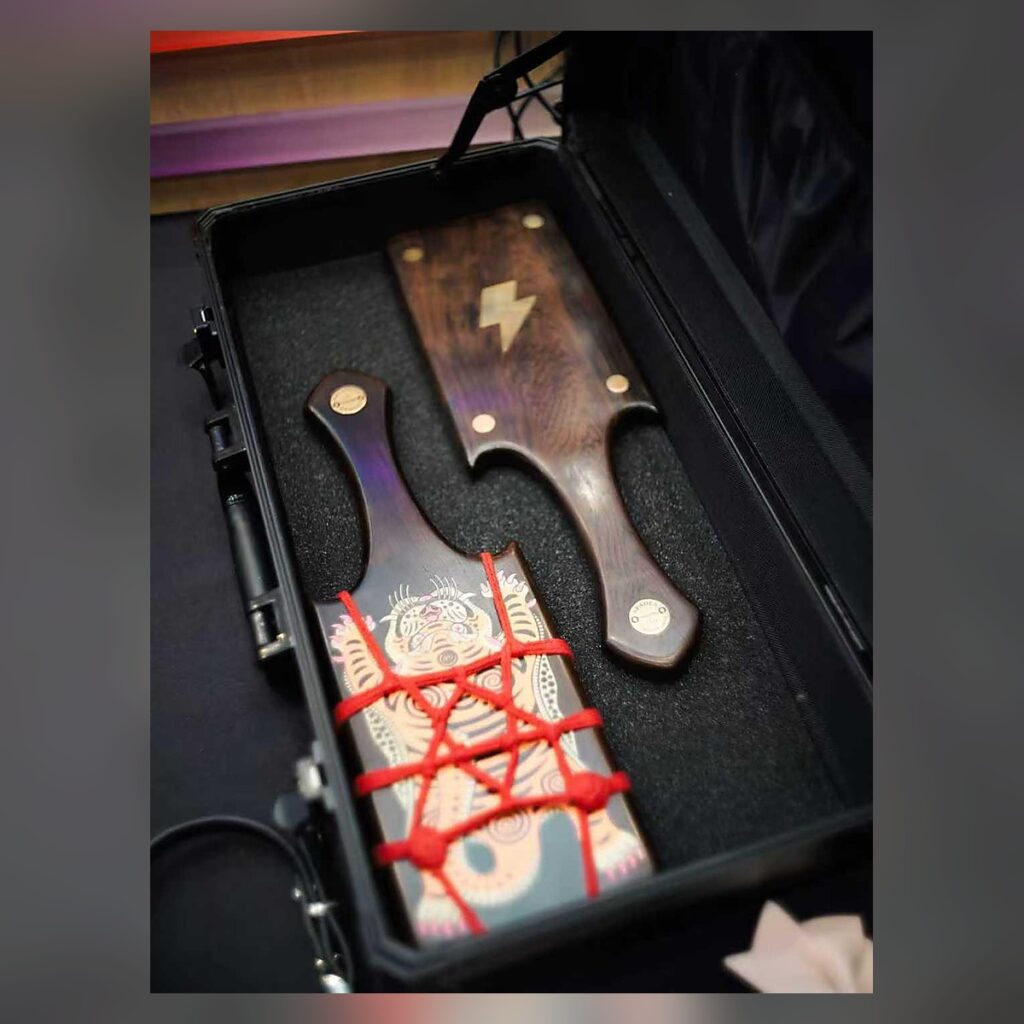
The Rai Source Paddle listing names carbon fiber, dark hardwood and stainless steel hardware in its material profile. That published description identifies a mixed-material piece; it does not specify the fastening method beneath each visible detail. Nor does the product photograph establish a suitable tightening force.
Send the product reference and selected version with the question. Ask whether the observed movement is expected, whether the piece should remain out of use, and whether inspection is needed. Advice for a different model or an earlier configuration may not apply. Keep unanswered construction details marked as unanswered.
Do not turn a cleaning question into a repair
A general care note is not permission to alter a joint. Avoid adding oil, adhesive, polish or a replacement fitting while waiting for a reply. Likewise, do not assume that a household cleaner suitable for one visible material is suitable for its neighbouring finish or connection.
The cloth and notebook in the editorial image represent pausing and recording a question. The glass is a scene prop, not an instruction to wet the accessory. Ask for guidance specific to the affected part instead of borrowing a method from an unrelated object. Until its condition is clarified, leave the piece out of use.

Agree on the next step before packing or posting
If inspection or a return is proposed, ask which parts to include and how they should be protected. Obtain the destination and arrangements in writing rather than sending the item to an address found in an old message. A plain parcel illustration does not show the required packaging for this particular piece.
Use the atelier contact page to request instructions, and retain the relevant order reference and reply. Keep essential evidence without adding unrelated personal information. Do not assume that an inspection request already settles responsibility, costs or the eventual remedy; those details need their own clear answer.
A useful care decision starts with the exact object and the observed concern. Let a confirmed answer, not the nearest tool, determine what happens next.