A useful product enquiry is not a personal biography. You can ask about an accessory without explaining your relationship, your private interests, or the circumstances behind your curiosity. Start with the information needed to answer the product question. More detail is not automatically more helpful, especially when it concerns another person.
Consider a hypothetical buyer preparing a first message about a handmade item. They attach a screenshot of their account, describe their partner, and include a delivery address before asking whether a measurement can change. Most of that information does not help answer the measurement question. The buyer can make the enquiry clearer by sending less.
Identify the item and the missing fact
A product link and a specific question provide a practical starting point. For example: “Is the listed length the overall length, and can you confirm it for the version shown?” This tells the recipient what to check without introducing private context. Avoid sending account screenshots when a public product link would identify the same item.
If a screenshot is genuinely useful, review it before sending. Look for visible names, notifications, other tabs, order references and saved addresses. Remove unrelated details from your own copy, while keeping the product feature you are asking about clear. Do not assume a recipient needs everything that happened to appear on your screen.

Separate a question from a transaction
An initial question, a shipping estimate and a completed order are different stages. Each may need different information. A general material question usually can be expressed without a home address. A destination-specific delivery question may require location details, but ask which level of detail is needed before supplying a full address.
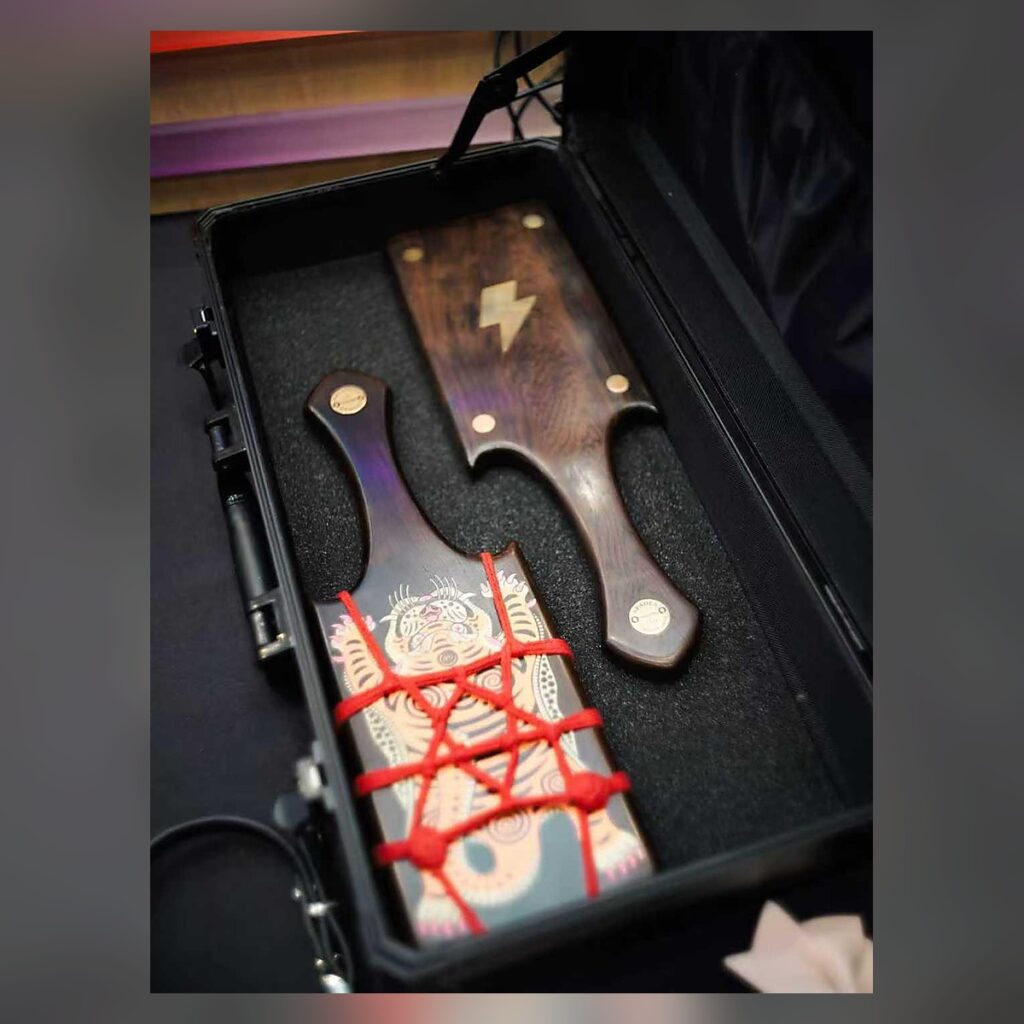
For the Rai Source Paddle, the listing identifies it as part of the Hand Boards collection. Referencing that listing keeps the conversation tied to a real item. If you need clarification about its specifications, name the specification. You do not need to explain a private relationship in order to ask a product question.
Ask why an unexpected detail is needed
If someone requests identity documents or other sensitive information during an enquiry, pause and clarify the purpose. Some later transaction or delivery processes can have verification requirements; that does not mean every early request is necessary. Ask who requires the information, which process it supports, and which verified channel should receive it.
Do not send passwords, verification codes or payment-card details in a product conversation. An unexpected request should be checked independently through the site’s known contact route. This is a way to keep the enquiry focused, not a promise that any particular communication channel is completely private or secure.
Keep another person’s information separate
Someone else’s name, contact details or personal preferences are not yours to share automatically. Ask before including them, and consider whether they are relevant at all. “I need clarification about this option” is often enough. A shop needs an understandable question, not evidence of a private conversation between two adults.
Use the before-you-order checklist to distinguish unanswered product questions from later order arrangements. Once you receive an answer, decide whether the next step is necessary. You can ask a follow-up without turning the exchange into a complete customer profile.
Make the question precise. Let the amount of personal information match the actual task.