Closing a product conversation does not necessarily remove the files sent during it. An attachment may still be present in a message thread or a separate working copy. Before sending a private reference image, decide what the seller actually needs to see and ask what happens to the attachment after the question is answered.
Consider a hypothetical buyer asking whether a decorative detail can be changed. They send a photograph from their phone, then decide against ordering. Weeks later, they clear their own conversation and assume the photograph has disappeared everywhere. That assumption confuses removing a local view with confirming what happened to copies held elsewhere.

Choose a reference that reveals only the relevant detail
A public product link may answer the identification question without an attachment. When an image is needed, prepare a separate copy showing the feature you want discussed. Check the whole frame for names, reflections, paperwork or other people’s belongings before sending it. A tight reference is also easier for a maker to interpret.
Describe the intended use of the image in one sentence: “Please use this to understand the edge shape, not as a request to copy the entire design.” Do not send somebody else’s private photograph without their permission. Sending less at the outset avoids relying on a later cleanup to correct an unnecessary disclosure.
Ask where the file is needed
A useful presale question is, “Will this stay in our message thread, or does someone else need a copy to answer the question?” The answer may differ between a simple enquiry and a production brief. Ask for clarification rather than assuming that every employee, supplier or service involved needs the original file.
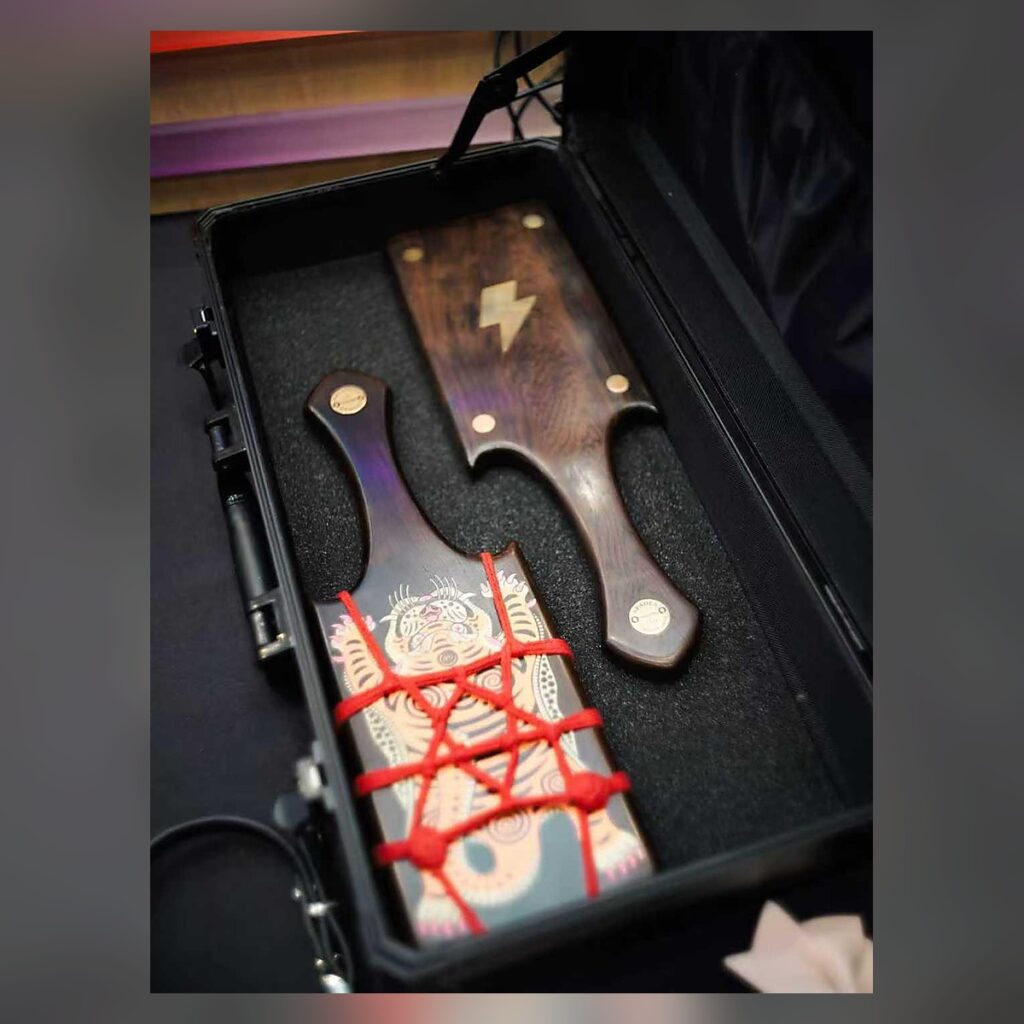
For the Rai Source Paddle, the listing identifies the piece as part of the Hand Boards collection. You can start with that link and name the photographed detail. This keeps an initial question tied to the actual product instead of supplying an unrelated personal image as background.
Request removal without assuming an instant result
If you no longer want an attachment used, identify the file and conversation clearly. Ask whether it can be removed from active working copies and whether anything must remain. Avoid resending the sensitive image just to identify it when the message date or filename would be enough.
Do not read a brief acknowledgement as confirmation that every copy has been erased. Ask what was removed and what the reply covers. An active conversation, an order record and a backup are different places; a promise about one does not automatically describe the others. These are practical questions to ask the recipient, not claims about any particular provider’s settings.
Keep the order record separate from extra context
A completed transaction may require records that an abandoned design question does not. Ask the seller to distinguish essential order details from optional reference material instead of requesting the indiscriminate deletion of everything. Do not assume that closing a shop account also removes records held by a payment or messaging service.
Read the shop’s privacy policy for its published contact and retention information, then ask about anything the wording leaves unclear. If a file is especially private, wait for an answer before transmitting it. A clear statement of purpose and a limited reference usually make the conversation more useful, not less.
Send an attachment because it answers a specific question. Know what you are asking the recipient to keep, use or remove.