Before a maker lays a ruler against a length of paracord or pulls a swatch of webbing from a shelf, there is one question that should be answered first: what will this material need once it leaves the workbench? For adult collectors who choose handmade accessories, the material is not simply the start of a design. It is also the basis of every storage decision that follows.
What a Maker Can Confirm Before Cutting
A responsible maker can tell you exactly how the finished piece should be kept. Do not wait until the piece arrives to wonder whether it can be folded, damp-wiped, or left on a shelf in direct sun. Ask before ordering. The maker should be able to confirm the fiber type, the hardware finish, and whether the piece is built for occasional use or everyday handling. This information is not just technical detail; it is your storage guide.

Material and Finish as Storage Guide
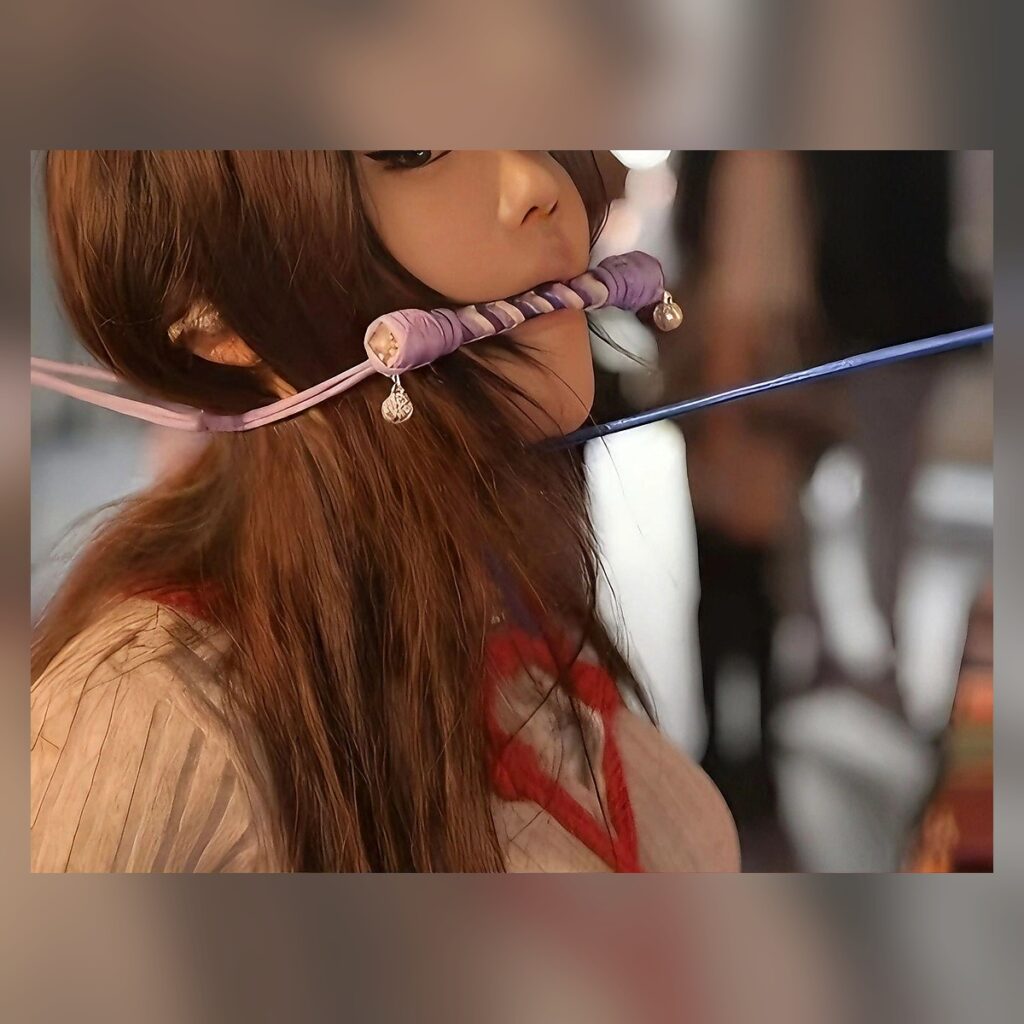
Mixed materials ask for divided attention. A paracord bit gag, for example, combines braided cord with metal hardware and stitching. Paracord tolerates light moisture but should not be stored damp; metal hardware prefers a dry, still-air place; and any stitching should be checked for loose loops before the piece is put away. The universal rule for handmade adult accessories is simple: store clean, store dry, and keep the piece away from direct sunlight and heat. Abrasive cleaning is never a good idea. A soft, dry cloth is enough.
Sizing and Fit Affect Care
Custom sizing is not only about comfort and fit; it changes the way a piece should be stored. A piece shaped to a specific dimension will hold its form best when laid flat. If the piece has adjustable buckles or sliding elements, store it with the adjustments loose so that no strap or cord is under constant tension. A maker can confirm exact dimensions before cutting. Ask for the measurement and make a note of it for your storage space. A piece that is kept too tightly folded or hung from a single hook can stretch, crease, or deform. The gentlest option is a flat, lined drawer or a soft pouch.

A Simple Storage Routine
You do not need elaborate furniture to protect a private collection. A shallow box with a soft liner, kept in a cool and dry room, is enough for most pieces. Separate pieces made of different materials, especially metal and textile, so that hardware does not press marks into soft cord or leather-like surfaces. Keep the container out of direct sunlight. If a piece is used rarely, check it every few months for changes in color or stiffness. That is also the moment to wipe it gently with a dry cloth. No oils, no sprays, no harsh cleansers unless the maker has explicitly recommended them.
Privacy and Custom Orders
For adult collectors, privacy is part of the care routine. Many makers understand this and offer discreet packaging, plain labels, and quiet order confirmations. When you place a custom order, you can also mention your storage habits during the conversation. A maker who knows whether your room is humid, bright, or shared can guide you toward finish choices that will age well. Availability is another practical point: made-to-order pieces are usually confirmed before checkout, so there is no guesswork. That confirmation is also a good moment to ask one more care question.
The Last Pause Before the Cut
Material-first collecting changes the order of the usual conversation. Instead of picking a design and then wondering how to keep it, the collector begins with the material and the maker confirms what can be expected. That exchange is a pause, a moment of mutual clarity, and it is exactly what makes handmade adult accessories easy to live with. When a piece finally arrives, it has already been cared for before it is ever used: in the questions asked, the material chosen, and the storage made ready.
Privacy and trust
Private choices deserve clear information. Read the privacy and discreet-order notes before you decide.