A private custom enquiry should begin with enough information to make the request clear, but not with every personal detail a customer could possibly provide. In adult contexts, discretion is easier to trust when it is specific. Before sending a reference image, measurement, delivery detail, or personal preference, it helps to pause and ask one simple question: does the maker need this information to understand, quote, or prepare the order?
Start With the Purpose of the Enquiry
The first message does not need to contain a full personal history. It should identify the kind of piece being considered, the practical result the customer wants, and the decisions that affect feasibility. A concise opening can name the product category, approximate dimensions, preferred material or finish, budget range, and destination country. These details let a maker respond usefully without asking for unrelated information.
If the request is still exploratory, say so. ?I am comparing options and would like to understand what can be customised? is a complete starting point. It creates room for questions without implying that the customer has committed to purchase.
Separate Necessary Details From Optional Context
Some information directly affects a quote. Dimensions can affect material use. A destination country can affect whether delivery is available. Reference images can clarify proportion, colour, or finish. Other details may be meaningful to the customer but unnecessary for the maker.

Before sharing, sort information into three groups: required for the quote, helpful for visual direction, and private unless specifically needed. This small distinction reduces oversharing and makes the written brief easier to review later. It also gives the maker a clear responsibility: explain why additional information is being requested.
Use Reference Images Carefully
A reference image should communicate a design decision, not expose more than the request requires. Crop out faces, names, addresses, account information, and unrelated surroundings. If an image belongs to another maker or customer, use it only to explain a general feature and do not ask for an exact copy. Label what matters: shape, colour family, hardware position, texture, or scale.
When personal photographs are genuinely needed for fit or proportion, confirm how they will be stored, who can access them, and whether they will be deleted after the enquiry. If those answers are unclear, ask before sending.

Confirm the Order Before Payment
A careful pre-sale confirmation should put the important details in writing. Check the item, dimensions, material, finish, quantity, price, currency, destination, and any agreed custom limits. Confirm which parts remain variable because handmade materials can differ slightly. A clear summary protects both customer and maker from relying on memory.
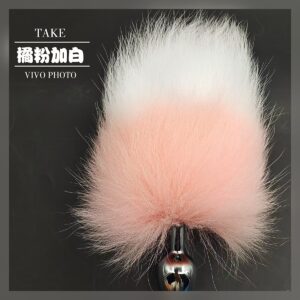
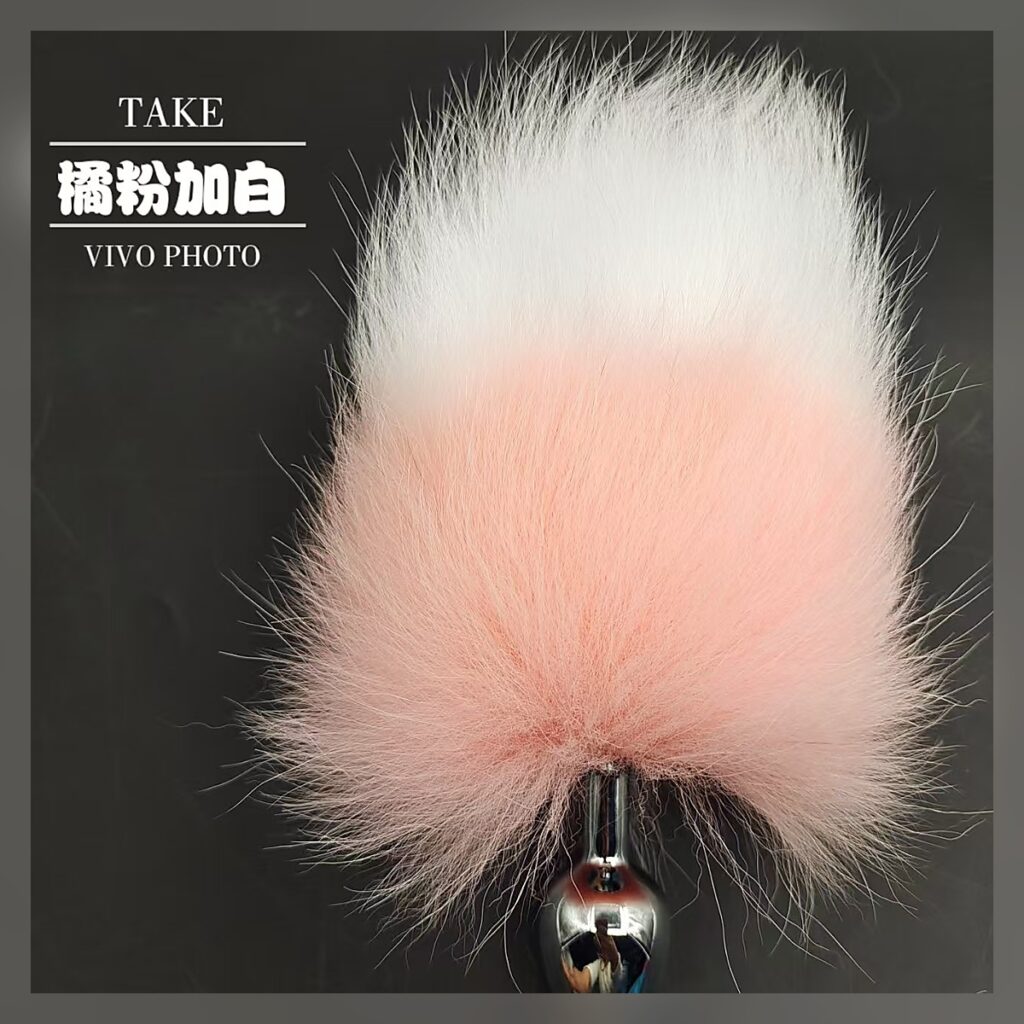
The product photograph accompanying this note shows the Honey Silk Tail Set as a real custom reference from the ShuoMu catalogue. It demonstrates why written confirmation matters: options such as length, size, colour, and finish should be selected deliberately. The photograph is a product reference, not a request for personal information.
Keep Delivery Information Proportionate
A delivery address is normally needed at checkout, not during the earliest design conversation. Until a quote is accepted, a destination country or postal region may be enough to check availability. When the full address is collected, it should be used for order fulfilment and handled through the store?s checkout and payment records rather than repeated across casual messages.
Privacy Is a Process, Not a Slogan
Discretion is built through ordinary decisions: asking only for necessary details, explaining why information is needed, keeping confirmations concise, and giving customers time to correct them. Customers can support that process by using a dedicated contact address, removing metadata from reference files where appropriate, and keeping one clear written brief.
A private enquiry should feel calm because its boundaries are understandable. Share what helps the work move forward. Keep what does not belong in the order private. When in doubt, ask what is needed before sending it.
Privacy and trust
Private choices deserve clear information. Read the privacy and discreet-order notes before you decide.