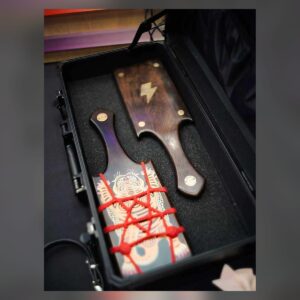
A set of dimensions does not tell you what a finished piece weighs. Length, width and thickness describe size. They do not establish the mass of a mixed-material object, the contribution of its hardware, or the weight of the parcel that eventually arrives. Treat those as separate questions rather than converting one answer into another.
Imagine a hypothetical buyer comparing two handmade accessories with similar listed dimensions. One photograph shows more visible hardware, but the buyer cannot see the full construction of either piece. Assuming that one must weigh more would turn a visual impression into an unsupported specification. The useful next step is a focused question about the exact version.

Ask for the weight of the finished item
Use wording that makes the requested measurement clear: “Can you confirm the finished item weight, without the packaging, for this version?” Ask for the unit as well. A number without grams, kilograms or another stated unit is not a usable comparison. If the answer is an estimate, keep that qualification in your notes.
The Rai Source Paddle belongs to the Hand Boards collection. Its listing is the reference for identifying the piece, while this article makes no claim about its finished weight. A product photograph cannot supply that missing number, and a listed size should not be used as a substitute.
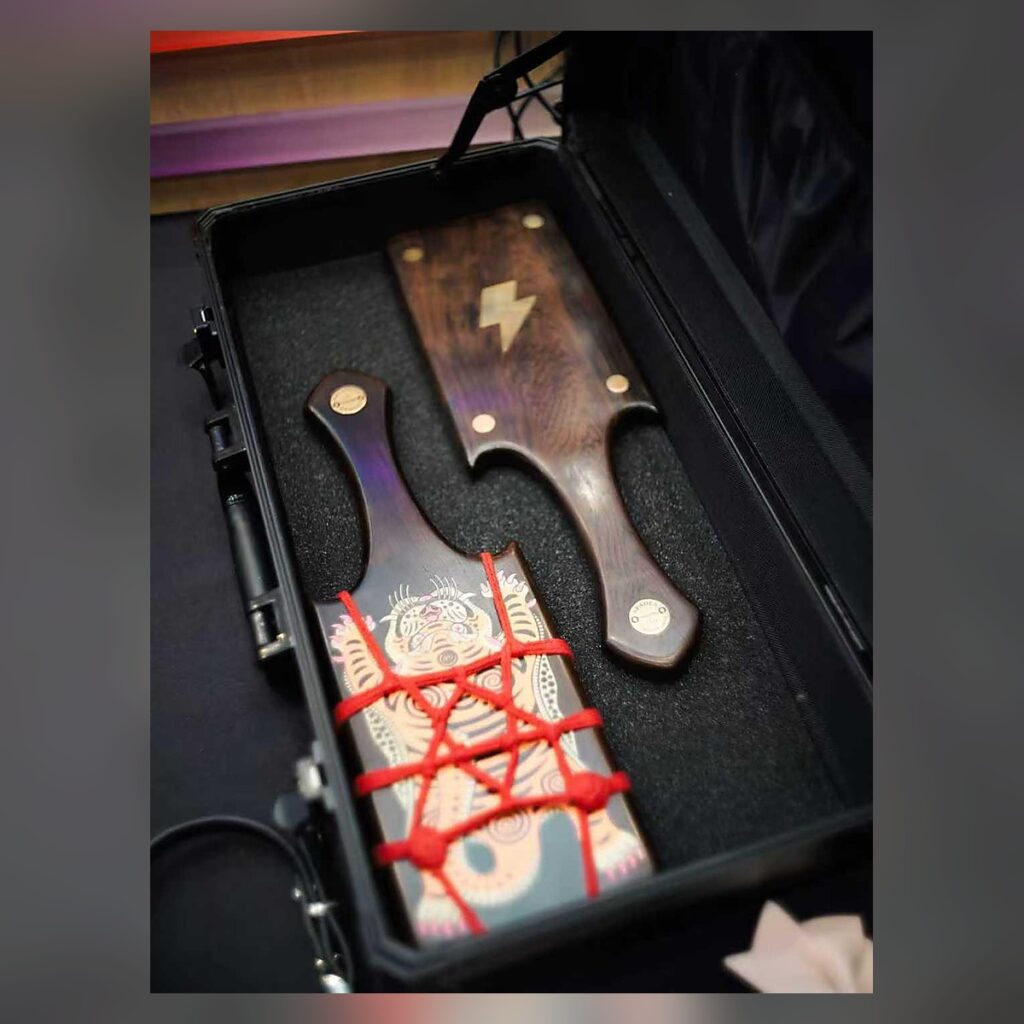
Confirm which version the answer describes
An answer about a sample or an earlier configuration may not describe a requested custom version. Identify the selected option and ask whether the quoted measurement applies to that configuration. If a change is being discussed, ask whether the seller can confirm its effect before production, or only after the finished piece is available.
Do not assume a precise tolerance or promise an identical measurement across handmade pieces. Equally, do not invent a large variation simply because something is handmade. Ask what is known, what is approximate, and when the remaining fact can be checked. This keeps uncertainty visible without turning it into a defect or a guarantee.
Keep parcel information in its own column
Packed weight includes more than the item itself. A box, protective material and other packing components can contribute to the total. A shipping quotation may also follow carrier rules that are not a direct statement of the item’s mass. Ask what a quoted figure represents before using it to compare products.
A plain parcel illustration is only an illustration of that distinction; it is not evidence of this order’s packaging. Confirm actual delivery and packing arrangements with the seller. If you are recording answers, label separate entries for item dimensions, finished item weight and shipment information so they cannot be confused later.

Use the specification for the decision it can support
A weight figure can help answer a practical preference, but it does not establish comfort, suitability or safe use for an individual. Neither a heavier nor a lighter item is automatically the better choice. Keep personal preferences separate from verified construction facts and from questions that the seller has not yet answered.
Before ordering, review the ordering checklist and keep care questions beside your specification notes. Confirm care for the actual materials and finish rather than inferring it from weight or appearance. The notebook and cloth shown here are editorial props, not product-specific care instructions.
Ask for the missing measurement by name. A clear answer is more useful than a confident guess from a photograph.