A photograph can show colour, pattern and shape, but it cannot answer every question about what an object is made from. Dark surfaces may look similar on a screen even when their materials differ. Before choosing a handmade item, separate what you can see from what the listing actually states and what still needs clarification.
Begin with the written description
Read the material section before interpreting the photograph. If more than one material is named, ask which part of the object each term describes. A list of materials does not necessarily explain the construction, finish or internal structure. Keep those questions separate rather than treating a short description as a complete technical specification.
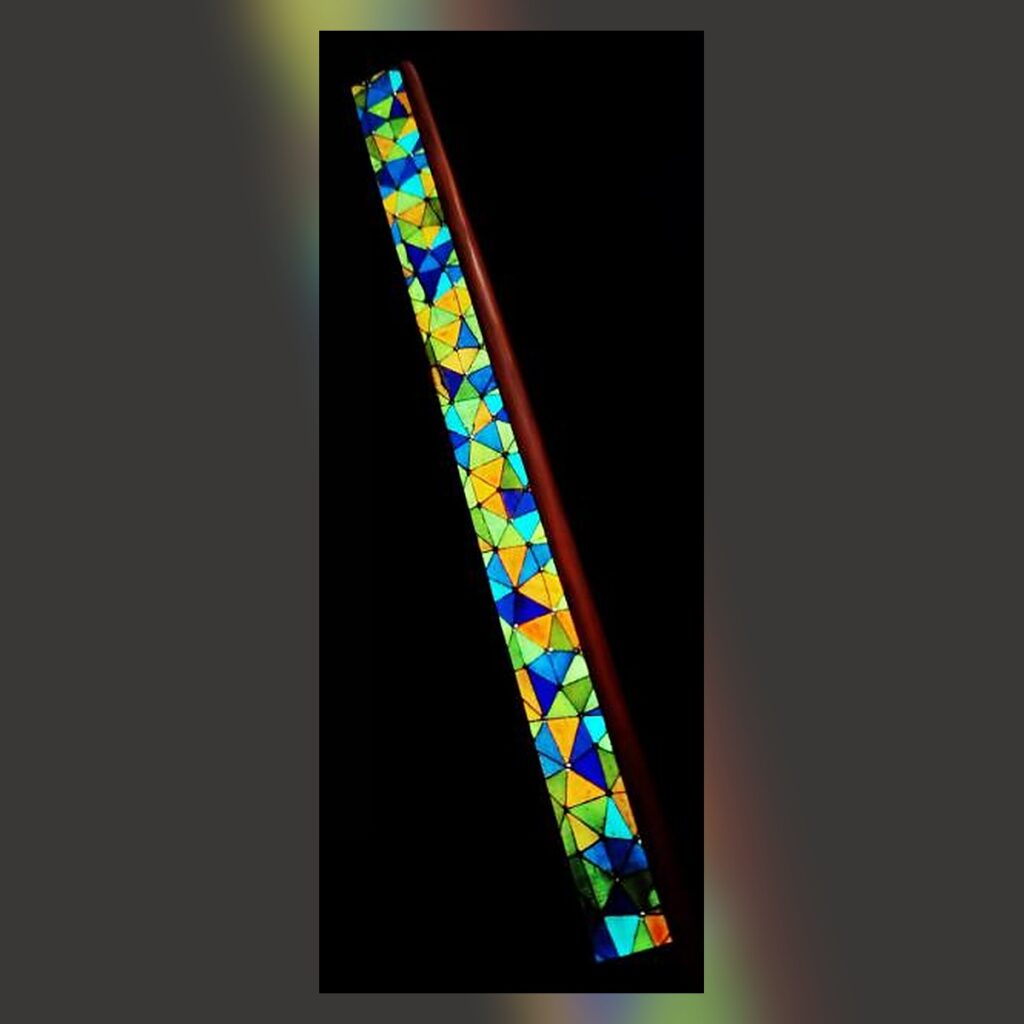
The Thousand Nights Ruler listing currently names carbon fiber and dark hardwood in its material profile. That statement does not identify a particular wood species or explain every layer of the piece. The original product photograph below is a visual reference; additional construction details should be confirmed rather than inferred.
Ask about the part that matters to your question
A focused enquiry is easier to answer than a broad request for reassurance. You might ask which material forms the main body or whether a visible surface is a finish. If the seller cannot confirm a detail, keep it recorded as unknown. Do not replace the missing answer with a description copied from a similar-looking product.
Photographs taken under different lighting can also make one item appear to have different colours. Ask whether the images show the same version before assuming that a darker photograph represents another material. A useful comparison begins with an identified item and option, not simply with two pictures that seem related.

Do not turn appearance into a performance claim
A smooth-looking surface does not establish a cleaning method, and a substantial-looking shape does not establish durability or suitability for a particular purpose. Those are separate questions. Avoid describing an object with reassuring terms that are not supported by its documentation. Clear limits on what is known are more useful than confident guesses.
The same caution applies to custom requests. A reference photograph can communicate the look you prefer, but it does not automatically specify the material that will achieve it. Ask the maker to distinguish the requested appearance from the proposed materials and finish. Confirm any resulting care instructions before treating the proposal as complete.
Keep a record of the confirmed version
If a conversation leads to a revised material or finish, make sure the final summary reflects the change. An earlier answer about care or appearance may no longer apply. Keep the confirmed description tied to the item reference so that you are not relying on an old image or an incomplete memory of the exchange.
Our consent and communication guide provides a broader framework for making voluntary decisions with clear information. In a product enquiry, that can mean taking time to ask a basic material question or deciding not to proceed while an answer remains uncertain. Photographs and written specifications work best together when neither is asked to prove more than it can.