“Are you fine with this?” is not a clear question when “this” covers several decisions. Before asking another adult to agree, say exactly what you are asking them to choose.
Consider a hypothetical conversation at home. One adult opens an accessory listing and asks, “Would this be okay?” The other answers, “Fine.” The first person means buying it and keeping it in a shared drawer. The second means leaving the product page open while they finish reading. Neither has deliberately misled the other, but they have answered different questions. Nothing about that exchange establishes agreement about how the accessory might be used.

Give the question an action
Replace “this” with a verb and a specific object. “Would you like to look at this listing with me?” asks about browsing. “Are you comfortable with me buying it for myself?” asks about a purchase. “May I keep it in our shared drawer?” asks about a shared space. These questions need not receive the same answer.
Ask the question that matters now, rather than presenting the whole sequence as a package. Someone can enjoy comparing designs without wanting to buy anything. They can accept an item in the home without agreeing to participate in anything involving it.

Clarify a short answer without cross-examining
A brief “fine” is not automatically enthusiastic, reluctant or dishonest. Tone alone cannot settle what another person intended. Try a neutral clarification: “Do you mean you are happy to browse, or that you are comfortable with the purchase too?” Leave room for “only browsing” and “neither.”
If the question has become tiring, stop asking for a decision. “We can leave it here” is a practical response. Repeating the same request with slightly different wording can make a conversation feel like a search for the answer you wanted, especially when one person has already declined.
Keep specifications separate from permission
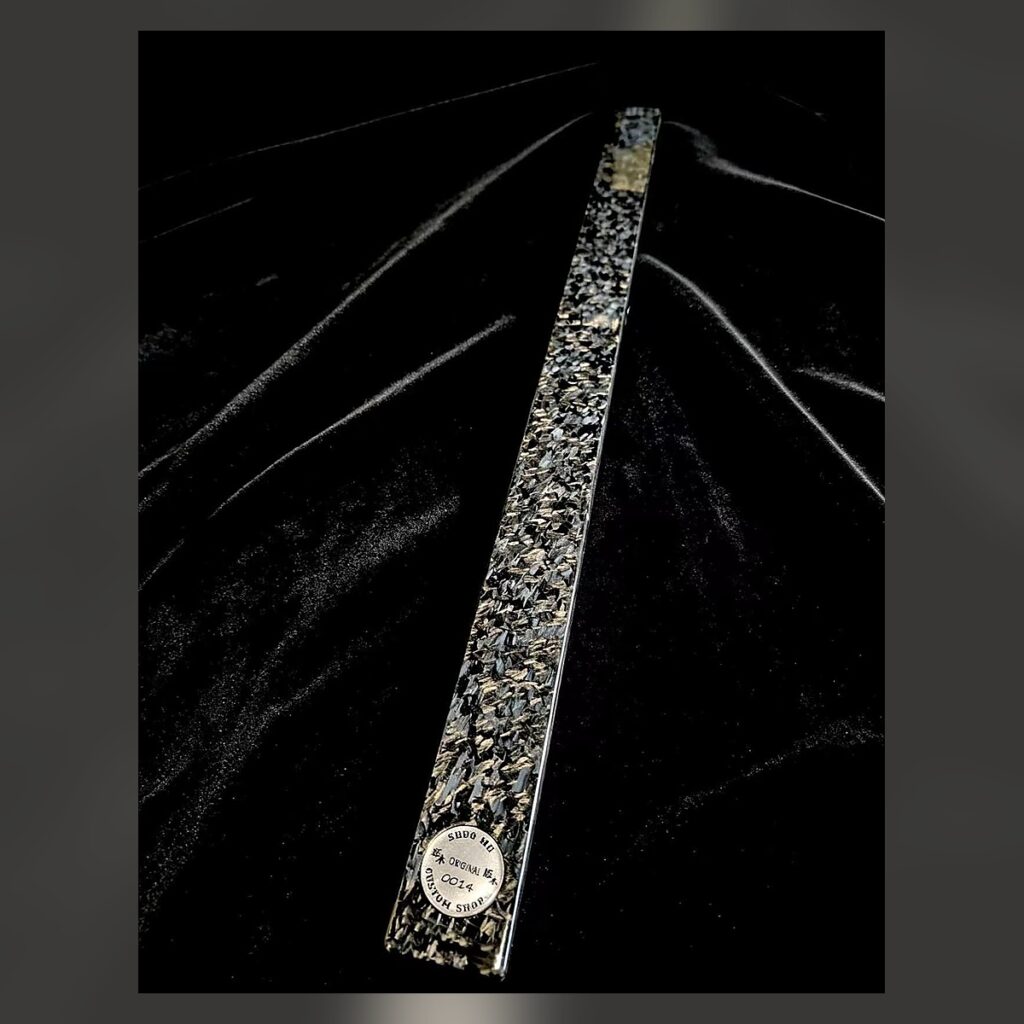
The Forged Carbon Ruler listing identifies carbon fiber and stainless steel hardware, with dimensions of 45 by 3 by 0.8 centimetres. Those are product details to check when comparing an existing design. They do not tell you what another adult wants or establish permission for any personal activity.
An unanswered question about that listed item belongs on the contact page. Name the product and the missing specification; a seller does not need private relationship details to clarify it. ShuoMu Atelier offers published designs and listed variants only, not new customization. A factual reply from the shop cannot answer a personal question on someone else’s behalf.

State what remains undecided
In the hypothetical conversation, a useful clarification might be: “We are only reading the page today. Buying it and finding a storage place are separate questions.” That sentence records the limit of the conversation without turning it into a contract or demanding a future answer.
Leave unresolved decisions unresolved. Do not place an order as a way of moving the discussion forward, or treat an arrival notification as evidence that the other person has accepted the next step. Agreement about one action does not carry the others along with it.
A clear question makes a clear answer possible. Name the decision, and leave the other decisions open.
Product & Order Questions
Questions about a listed product or an existing order? Contact ShuoMu Atelier on WhatsApp.
WhatsApp: +63 965 401 5278