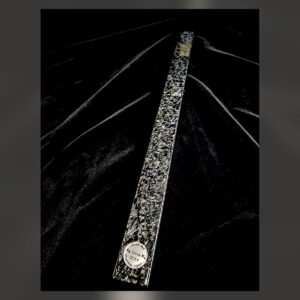
Care for a mixed-material item is not only about wiping the broad surface. The places where a fitting meets the main body may collect moisture, dust or pressure from storage. A buyer who notices hardware in a photograph has a useful question to ask before choosing the piece.
Imagine a hypothetical adult storing several collectible rulers in one drawer. A new design includes a steel detail beside carbon fiber. The buyer wants to avoid scratching the finish or pressing the fitting against another item, but cannot tell from the gallery how the parts are joined. They ask about the actual available configuration and plan a separate storage space rather than relying on a general label.

Start with the stated construction
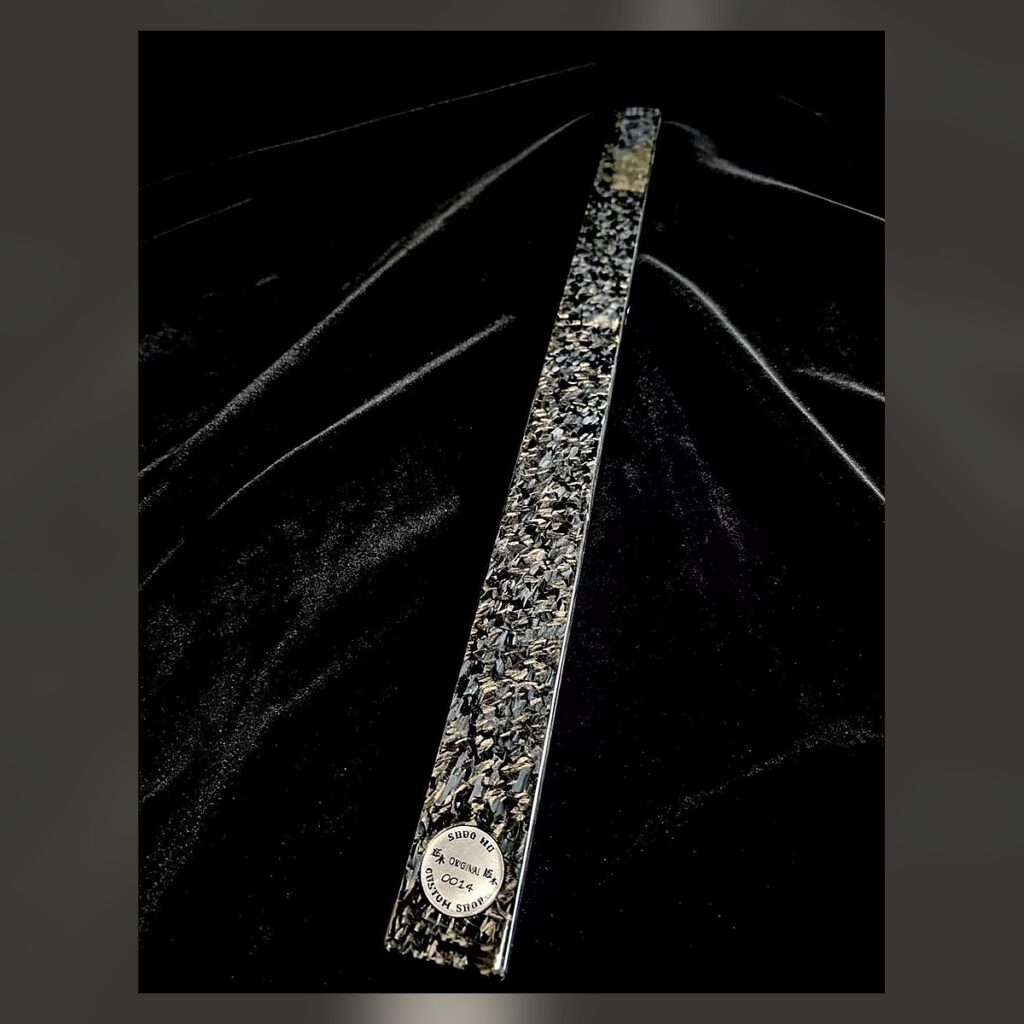
The Forged Carbon Ruler page names carbon fiber and stainless steel hardware. It lists dimensions of 45 by 3 by 0.8 cm and says ready-to-ship inventory is limited and reviewed before dispatch. Those facts help identify the item and its proportions. They do not specify the construction of every joint or promise that an item is immediately available.
If the exact hardware placement matters, ask for a current photograph or written confirmation of the piece being offered. A gallery image can show an example of the visible design without proving the condition of a particular unit. Clarify the detail before paying, especially if the fitting affects how the item will be stored.
Check size against the storage plan
The published dimensions are useful, but the buyer should still consider the shape and any hardware projection. A tray that fits the overall length may not protect a raised part from contact. Avoid stacking a heavier object directly on the fitting. If you need a case, ask whether the stated thickness includes the hardware rather than adding an estimate of your own.
Photographs taken from different angles can help, but they should not replace a measurement for a close-fitting container. Keep the dimension line with the confirmed configuration in your order records. That way the item arriving can be compared with what was actually offered.

Use the published care baseline
The page advises dry storage, avoiding abrasive cleaning and wiping the surface with a soft cloth after handling. These are the stated general instructions. Do not infer that a solvent or metal polish is suitable just because one component is steel. A treatment that cleans a fitting may affect the neighboring surface.
If a mark appears at a join, photograph it and ask the seller for product-specific advice before scrubbing. Keep the item away from damp storage and allow the shop to clarify whether the finish needs special handling. The Rulers & Canes collection helps compare other material profiles, but the care response should match this item.

Confirm availability separately
Limited ready-to-ship inventory is not the same as a dispatch promise. Ask whether the pictured configuration is available and when shipping can be confirmed. Check the destination rules before ordering. If a different finish is proposed, request a revised specification and care note.
A small joint is a real part of the object. Giving it attention makes the purchase and the later care less dependent on guesswork.