You want a second opinion about a custom order. Forwarding the entire message thread seems easier than explaining it again. But that thread may contain far more than the question you want answered: a delivery address, a personal explanation, an unrelated photograph or another person’s words. A useful second opinion rarely requires the whole conversation. Separating the quote from its surrounding messages gives you more control over what you share.
Decide what you need an opinion on
Start with one specific question. Are you comparing finishes, checking whether a requested detail is included, or deciding whether the proposed timing works for you? The answer determines which information belongs in the message. Someone helping you compare a colour reference does not normally need your delivery details or the explanation behind a private preference.
Write a brief summary in your own words where possible. Label it as a summary rather than presenting it as the studio’s exact wording. If a phrase from the quote matters, include that phrase with enough context to avoid changing its meaning. Keep the original available to you, but do not assume every recipient needs a copy.

Review the edges of a screenshot
The central message may look harmless while the edges reveal a name, an email address, an account picture or a notification from another conversation. Check the entire image before sending it. A crop can remove irrelevant surroundings; when hiding text, use a redaction method that actually removes or fully covers the information in the exported image, rather than a translucent highlight.
Open the final exported copy and inspect it again. Do not send an editable original containing information you intended to conceal. Also remember that removing visible details does not control what a recipient does next. Choose the audience deliberately, and avoid sharing someone else’s private comments without their permission.
Use a public product reference when it is enough
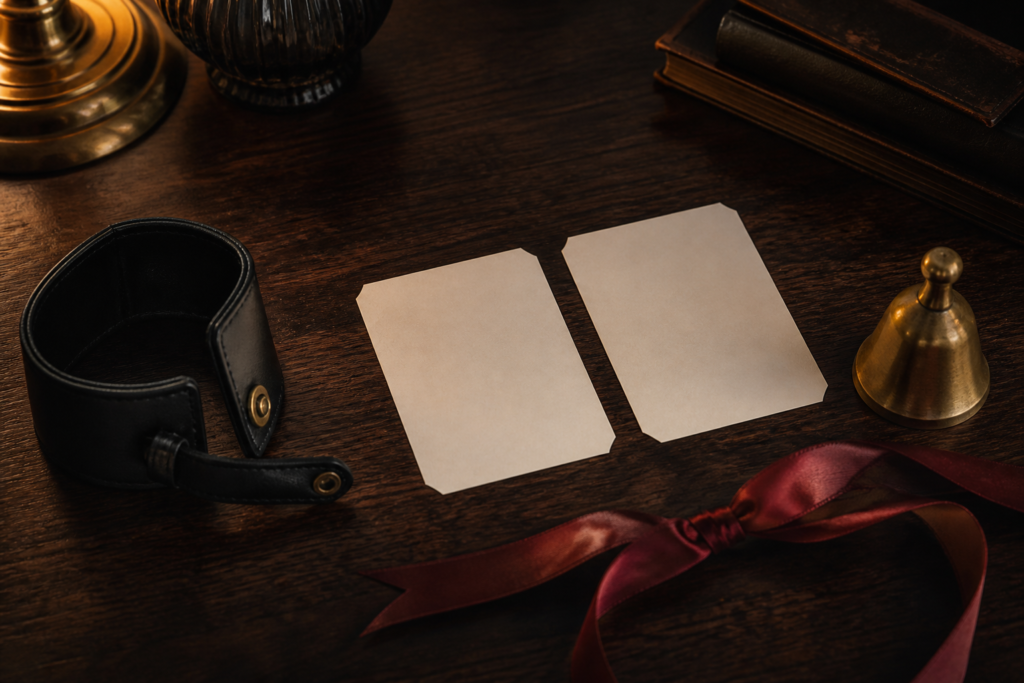
A public product page can sometimes replace a screenshot entirely. For example, the Thousand Nights Ruler page identifies the piece shown in the product photograph below. Sharing that link lets another person see the listed item without also receiving your private enquiry. It does not reveal or establish any changes requested in a separate quote.
Keep that distinction explicit: “This is the reference piece; my requested changes are still being discussed.” Do not present an image of the listed product as evidence that a custom variation has been approved. If you need clarification from the studio, return to the custom quote page rather than asking a third party to guess what was intended.

Ask before expanding the audience
In an adult relationship, discussing a purchase together does not automatically mean both people welcome sharing that discussion with friends. Ask which details can be passed on and to whom. A person can agree to seek advice about a product while declining to share the personal reasons behind the choice. Those are separate decisions.
If a quote changes, send a short correction to anyone whose advice you still need. Make clear which version is current, without forwarding a growing archive of private messages. The aim is not to hide relevant information from the person helping you. It is to give them a clear question and enough accurate context to answer it.
Before pressing send, ask one final question: does every detail here help this recipient respond? Remove what does not. A smaller, clearer message can protect the privacy of the conversation while making the advice you receive more useful.