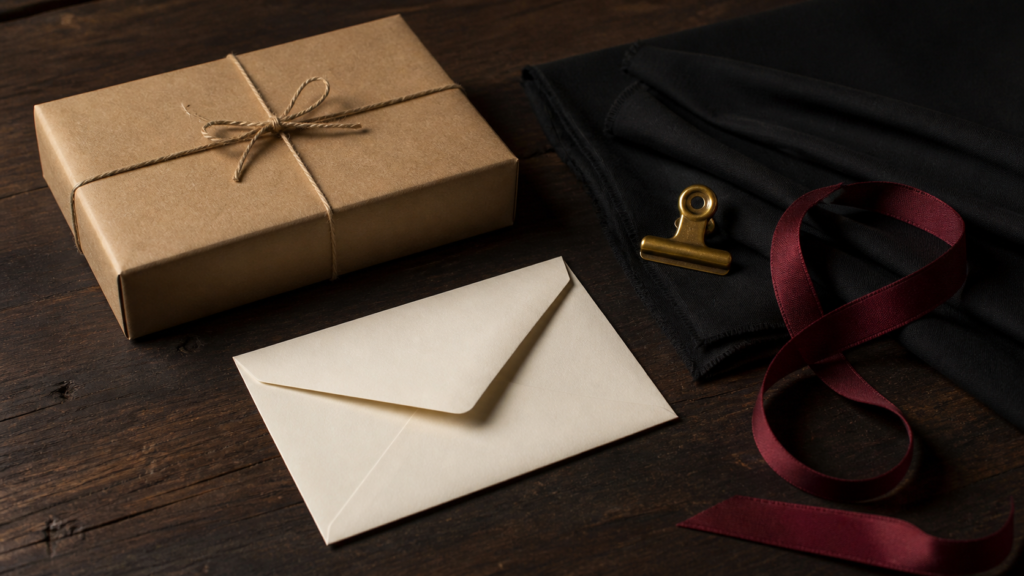
Every private order begins with a small act of trust. You are about to share measurements, preferences, and a request with someone who may be an acquaintance, an online maker, or a complete stranger. The exchange can feel vulnerable, not because of the item itself, but because of the unknown. Who will see this information? How will it be stored? Will the package look like something ordinary, or will it invite questions?
The answer is not to withhold everything. It is to be deliberate. A discreet enquiry is not a test. It is a conversation in which both sides agree on what is necessary, what is private, and what is never assumed.
Only Collect What Is Truly Needed
A well-run adult order rarely needs more than a few precise facts: the piece you are enquiring about, the size or length you need, and perhaps a note about material or finish. That is often enough to provide a clear quote. If a maker asks for more—your full name, address, or personal history before any order is confirmed—that is a reason to pause. Good questions to ask yourself before you send anything include:
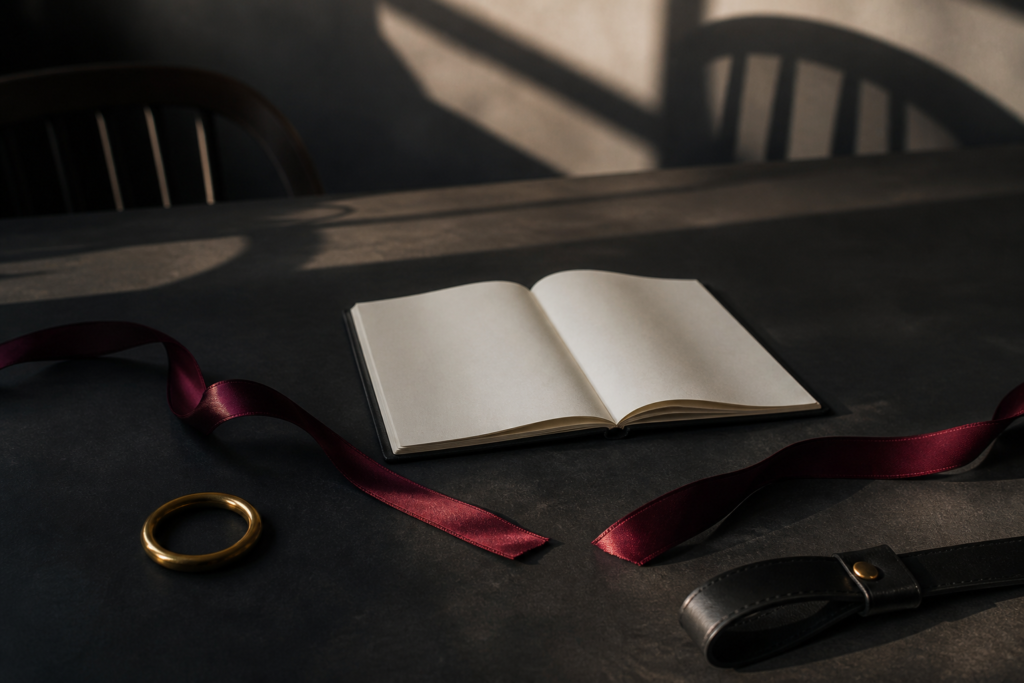
Can this information be given without my name? Is a reference image needed now, or can it wait until later? Can I ask why this detail is required? The best makers answer these questions simply and without impatience. They do not make you feel foolish for being careful.
Keep Measurements Separate From Identity
Your measurements are a number. Your identity is a whole person. There is no practical reason for the two to travel together in the same message, especially in the early stages of an enquiry. Use a separate email address or contact form. Keep the subject line neutral, such as “custom order enquiry” rather than your full name and the item name. When you send a reference image, make sure your face or identifying background is not visible unless you want it to be. This is not secrecy for its own sake; it is a boundary that lets you choose what your body tells someone before you have decided to trust them.
Questions Worth Asking Before You Send
A respectful maker will welcome careful questions. Before handing over any private information, consider asking:
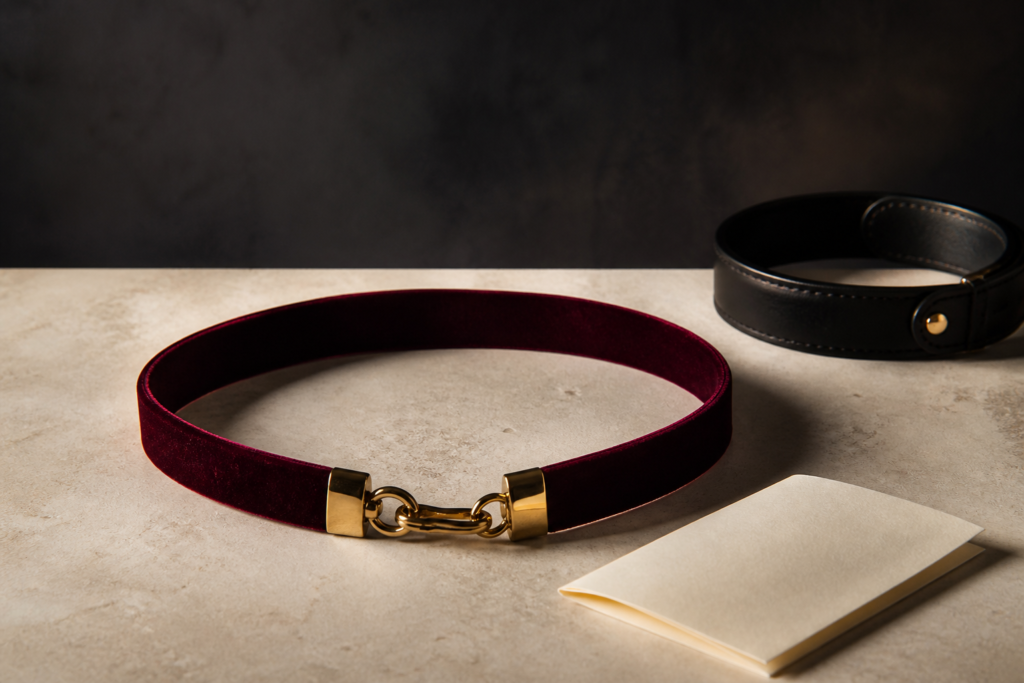
What specific information do you need for the quote? Will my measurements and reference images be deleted after the order is completed, or stored and why? How will you describe the package on the outside? Who has access to the messages I send? These are not accusations. They are simply the practical questions of an adult who wants to make an informed choice. If a maker cannot answer them clearly, that is a sign to slow down.
Clear Quotes and Written Confirmation
The most private way to communicate is also the clearest. A written quote should list the item, the size, the cost, the estimated production time, and any policy about returns or adjustments. When the order is placed, ask for a confirmation that includes those same details. This is not a legal contract between strangers; it is a gentle agreement between two adults who both want the same thing to exist in exactly the right way. Written words also give you time to pause. You do not have to reply immediately. A pause can be a form of consent itself—a moment to check that the decision feels right.
Plain Packaging and Considered Words
Discreet packaging is not a hidden promise. It is a basic expectation. The outside of a parcel should never reveal its contents, and a maker should say so in their communication. Respectful language matters too. There is no need for elaborate euphemisms, and there is no room for pressure. The tone should be calm, factual, and friendly. That quiet consistency builds trust far more than any decorative promise.
In the end, a private order is a mutual act of care. You choose what to share, and the maker chooses how to honor what is shared. Ask the kind questions. Keep your details separate. Trust the words that are written down, and take your time. A freely chosen pause is not a rejection. It is proof that you are listening to yourself—and that is the truest form of privacy.
Privacy and trust
Private choices deserve clear information. Read the privacy and discreet-order notes before you decide.