The first message to a private enquiry address is a small act of trust. You are deciding how much of your world to share with a maker who will create something meant for your eyes alone. A dedicated contact address keeps that decision separate from the rest of your inbox, but separation alone is not discretion. A truly private order is built on questions, not assumptions. Before you send a single detail, pause and consider the five questions below. They are not demands; they are the quiet furniture of consent.
1. What does the maker actually need to know?
A professional maker will ask for only the information required to create and deliver your piece: a name for shipping, a delivery region, an item reference, and, if the design depends on fit, the specific measurements that matter. You should not be asked for your life story, your relationship status, or the emotional reason for your order. If a request feels excessive, that is a signal. Ask what will be recorded and how long it will be kept. A short, honest answer is the first sign of a respectful exchange.
2. Will the quote be written and itemised?
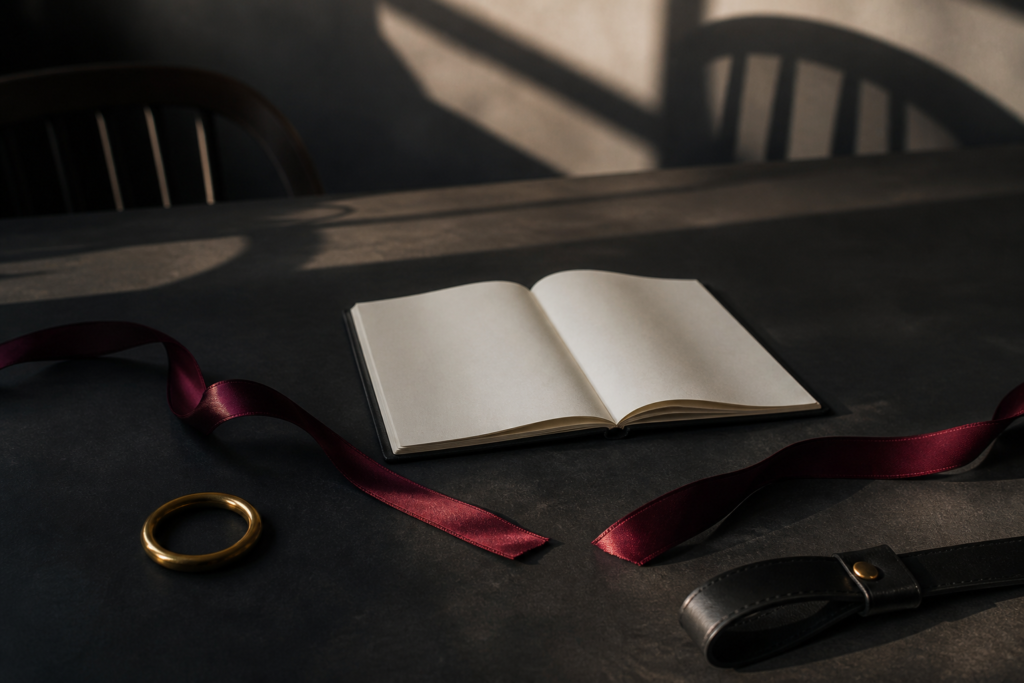
Price should never be an oral handshake over a late-night message. Ask for a written quote that lists the piece, any personalised options, packaging, and delivery. The quote should be clear enough that you can compare it with the finished request. A maker who cannot explain the numbers is a maker who is not ready for your trust. Written confirmation is not bureaucratic; it is a shared map of the transaction, and it gives you something to return to if a question arises later.
3. How will the package look — and what does ‘discreet’ mean?
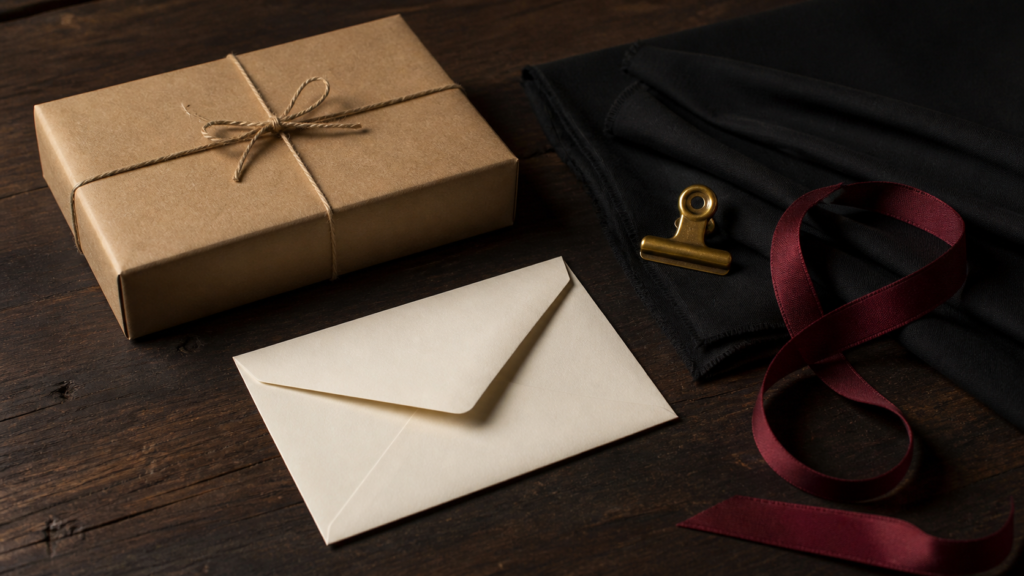
‘Discreet’ is a word that can cover many sins. Ask specifically: what appears on the outer label? Is the return address neutral? Are there logos, tags, or strings that invite curiosity? A serious private order uses plain packaging with no suggestive markings. The invoice should also be quiet, describing the item in a matter-of-fact way. Discretion is not only about the parcel; it is about every piece of paper that travels with it. Ask for a description of the exact packaging before you commit.
4. How will the maker communicate during the waiting time?
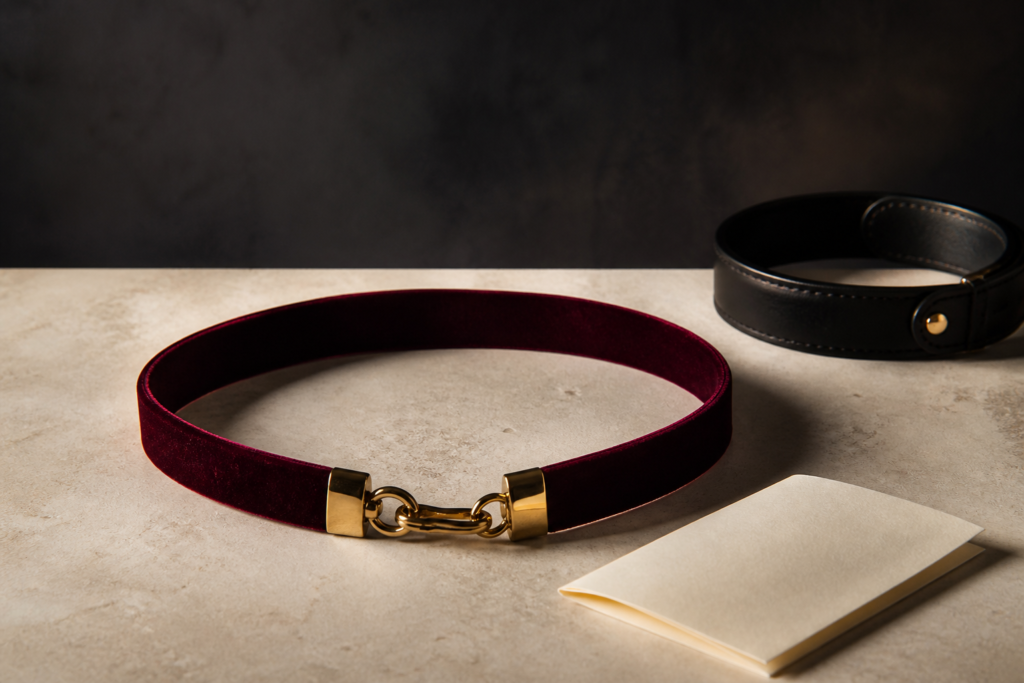
A made-to-order piece takes time, and a respectful maker will agree on a rhythm of updates. Ask whether you will receive a photograph before dispatch, whether that photograph is shared only with you, and whether your message thread remains private. You also have the right to ask that no reference image or review be posted without your explicit permission. Your consent is not a default; it is something to be asked for and renewed. This is part of the care that makes an adult transaction feel safe.
5. What happens after the order is complete?
Privacy does not end at the moment of delivery. Ask whether your correspondence, measurements, and reference images will be deleted or archived after the order is closed, and how you can request their removal. Care instructions should be sent with the piece, and the same protected channel should remain available for future questions. A good maker treats your information as carefully as they treat the materials in their hands. They understand that trust is not a one-time gate; it is a continuous, chosen pause.
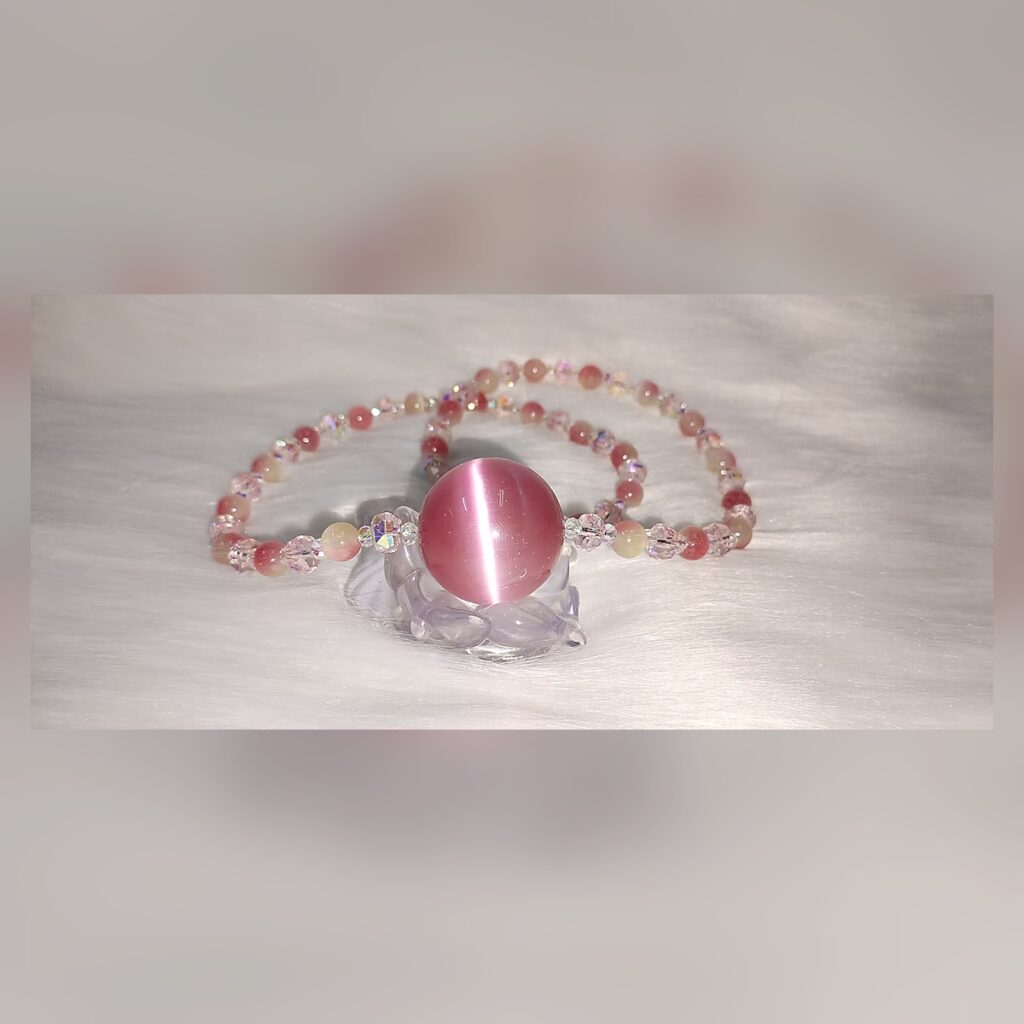
A private order is an exchange between two adults, and the calmest way to begin is with questions. For example, a made-to-order piece from our private collection — say, a ball gag from our collector’s range — is always presented with transparent material notes, measured fit details, and a clear quote before any private information is requested. It is made for you, in silence, and delivered with plain packaging. If you would like to begin a discreet enquiry, write to us first with your questions; we are happy to answer them before you share anything else. That pause, before the first detail is sent, is the truest sign of consent.
Privacy and trust
Private choices deserve clear information. Read the privacy and discreet-order notes before you decide.